


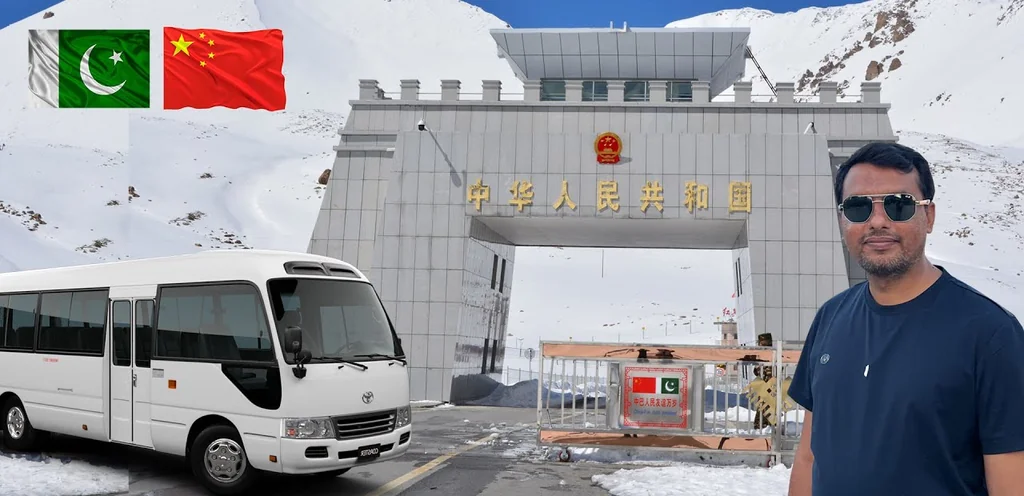
Pakistan is home to some of the most remote and beautiful villages in the world. Hidden among the towering mountains of Gilgit-Baltistan, these settlements preserve traditional lifestyles, strong community relationships and cultural practices shaped by their natural surroundings.
From the mountain communities of Ghanche and Shigar to the remote settlement of Askoli and the beautiful valleys of Baltistan, village life offers a different perspective on Pakistan. These places are not simply tourist destinations. They are homes to families whose daily lives depend on agriculture, livestock, local resources and the changing mountain seasons.
Travel vlogger Adnan Musafir has explored several lesser-known locations in northern Pakistan. His videos, including Unseen Village Life in Baltistan | Most Beautiful Place Way On Askoli Village, introduce viewers to remote mountain destinations and rural communities.
This guide explores remote villages of Pakistan, with particular attention to the mountain settlements featured in Adnan Musafir’s travel content. It also explains local lifestyles, regional traditions, travel conditions and what visitors should know before planning a journey.
Adnan Musafir’s Journey Through Remote Villages of Pakistan
Adnan Musafir’s travel content focuses not only on popular attractions but also on people, cultures and everyday life. His channel describes a travel approach based on exploring places and showing experiences from the ground.
Some of his identified videos are particularly relevant to the subject of remote Pakistani villages.
1. Unseen Village Life in Baltistan: Askoli Village
One of Adnan Musafir’s relevant videos is titled Unseen Village Life In Baltistan | Most Beautiful Place Way On Askoli Village, published on November 25, 2021.
The video focuses on Askoli and its surrounding mountain environment. Askoli is a remote settlement in the Braldu Valley of Shigar District, Gilgit-Baltistan. It is an important location for people travelling towards the high mountains of the Karakoram.
Unlike commercial tourist centres, Askoli is associated with remote mountain travel and the communities living in this challenging environment.
The location is particularly interesting because it connects village life with the wider world of high-altitude trekking and mountaineering.
2. Oldest and Unique Village Life in Ghanche
Another identified Adnan Musafir video is titled Oldest & Unique Village Life in Last District Of Pakistan – Ghanche, Gilgit-Baltistan.
Ghanche is located in the eastern part of Gilgit-Baltistan and contains several mountain communities with distinctive cultural traditions.
The region’s remote geography, agricultural settlements and traditional lifestyle make it an important subject for understanding village life in northern Pakistan.
3. Simple and Beautiful Pakistani Mountain Village Life
Adnan’s video titled Very Simple and Beautiful Pakistani Mountain Village Life focuses on the broader subject of mountain communities.
Mountain villages often depend on small agricultural plots, livestock, local markets and family networks. Their daily routines are influenced by altitude, weather and access to roads and services.
4. Mountain Village Known for Its Apples
Another identified video is titled World’s Best Apple In The Village Of Pakistan – Unseen Village Life In Mountain.
Fruit cultivation is an important part of rural livelihoods in several northern Pakistani valleys. Apples and other fruits are grown in suitable mountain climates, providing food and income for local households.
The video title highlights the connection between mountain agriculture and village life. Its exact location and the specific activities shown should be confirmed from the footage before attributing additional details to Adnan.
5. Hashupi Village: A Remote Valley Journey
Adnan’s video titled Most Beautiful Valley Near Last Village of Pakistan – Hashupi Village is another relevant part of his northern Pakistan travel content.
Hashupi and its surrounding landscape are associated with the remote mountain environment of Baltistan.
Such destinations demonstrate how rural settlements can exist far from large towns, with access and everyday activities shaped by the surrounding mountains.
6. Northern Life on the Way to K2 Base Camp
Adnan also has a video titled On The Way To K2 Base Camp – Northern Life In Pakistan.
The journey towards K2 passes through the wider mountain region of Baltistan, where local settlements, porters, guides and tourism-related services are connected to high-altitude travel.
These communities play an important role in supporting trekking and mountaineering journeys.
Why Are Remote Villages in Pakistan So Special?
Remote villages provide an opportunity to understand Pakistan beyond its major cities and popular tourist attractions.
Their importance comes from several factors.
- Natural surroundings: Many villages are located near mountains, rivers, forests and agricultural valleys.
- Traditional architecture: Homes often reflect local construction materials and climatic conditions.
- Regional culture: Communities maintain distinct languages, clothing, food and social customs.
- Agricultural livelihoods: Farming and fruit cultivation remain important in many settlements.
- Community relationships: Family networks and neighbourhood cooperation play important roles in everyday life.
- Less commercial development: Some remote settlements have fewer tourist facilities and retain a more traditional appearance.
The experience differs from one village to another. A settlement in a high-altitude valley may have very different conditions from a village near a river or agricultural plain.
Exploring Remote Mountain Villages in Baltistan
Baltistan is one of Pakistan’s most remarkable regions for exploring remote settlements. Its landscape includes high mountains, glaciers, valleys, rivers and traditional villages.
Askoli Village
Askoli, also written as Askole or Askoli, is located in the Braldu Valley of Shigar District.
It is widely known as an important settlement on the approach to the Karakoram’s major trekking and mountaineering areas.
Location and Landscape
Askoli lies in a remote mountain environment surrounded by rugged terrain. Its location makes it an important point for journeys towards the Baltoro Glacier and K2 region.
Local Life
Life in a remote mountain settlement requires close adaptation to the environment. Agricultural activity, livestock, household responsibilities and seasonal changes influence daily routines.
Importance for Mountain Tourism
Askoli is closely connected with trekking and mountaineering. Local people can contribute through guiding, transport, porter services, accommodation and other tourism-related work.
Ghanche District
Ghanche is known for its mountain valleys, traditional settlements and distinctive Balti culture.
Traditional Communities
Many communities in Ghanche maintain strong connections with agriculture, family life and local traditions.
Landscape and Environment
The district includes mountain settlements surrounded by dramatic natural scenery. The climate and altitude influence farming seasons, transport and daily routines.
Cultural Identity
Balti language, food, traditional clothing and local celebrations are important parts of the region’s identity.
Shigar Valley
Shigar is known for its historic settlements, agricultural land and mountain surroundings.
Villages in the valley provide a look at traditional architecture and rural life in Baltistan.
The Shigar region also serves as an important gateway for journeys towards the high mountain areas.
Khaplu Valley
Khaplu is another culturally important destination in Baltistan.
Its traditional homes, historic architecture, local markets and mountain scenery make it an interesting location for visitors who want to learn about regional culture.
Remote Valleys Around Skardu
The wider Skardu region includes several smaller settlements surrounded by mountains, rivers and agricultural land.
Some communities are accessible by regular road transport, while others require local vehicles and more careful travel arrangements.
Daily Life in Remote Pakistani Mountain Villages
Village life in northern Pakistan is strongly influenced by geography and climate.
People living in remote mountain settlements often organize their daily activities around household responsibilities, agriculture, livestock and seasonal conditions.
Agriculture and Fruit Growing
Agriculture is an important part of rural life in several mountain valleys.
Depending on altitude and local conditions, farmers may cultivate:
- Apples
- Apricots
- Cherries
- Walnuts
- Potatoes
- Wheat
- Barley
- Seasonal vegetables
Fruit orchards are particularly important in suitable valleys. Families may consume fresh produce, preserve it for later use or sell it in nearby markets.
Livestock and Animal Care
Some households keep goats, sheep, cows and other livestock.
Animals provide milk, meat and other useful products. Their care requires regular work, including feeding, cleaning and arranging suitable shelter.
In colder mountain areas, preparing for winter can involve additional responsibilities.
Traditional Homes
Traditional mountain homes are often built using locally available materials.
Stone, wood and other materials may be used depending on the settlement and household resources.
Home designs reflect local weather conditions, available construction materials and family requirements.
Some homes include storage areas for food, agricultural supplies and household equipment.
Family and Community Relationships
Family and community relationships are important in many rural settlements.
Neighbours and relatives may support each other during agricultural work, weddings, religious celebrations and difficult circumstances.
However, traditions and household arrangements vary between communities and should not be assumed to be identical throughout Baltistan.
Traditional Food in Baltistan’s Mountain Villages
Food is an important part of the cultural identity of northern Pakistan.
Traditional meals often use locally available ingredients, including grains, vegetables, dairy products and meat.
Some foods associated with Balti and wider northern Pakistani cuisine include:
| Food | Description |
|---|---|
| Mamtu | Dumplings filled with meat or other ingredients |
| Balay | A traditional noodle-based dish |
| Prapu | A regional dish prepared using local ingredients |
| Khurba | A traditional food associated with Balti cuisine |
| Apricot products | Dried apricots and other preparations |
| Local bread | Bread prepared for everyday household meals |
| Butter tea | A traditional tea preparation in some northern communities |
Food varies between households and villages. Visitors should ask local residents about regional specialties rather than expecting the same menu everywhere.
Culture and Traditions of Baltistan
Baltistan has a distinctive cultural identity shaped by its history, geography, languages and community traditions.
Balti Language
Balti is an important language of the region. Urdu is also used in communication, while other languages may be spoken depending on the location.
Traditional Clothing
Clothing styles reflect local culture, climate and everyday needs.
Warm clothing is especially important during winter and in high-altitude areas. Traditional garments may be worn during cultural events and family celebrations.
Religious and Social Traditions
Religion plays an important role in many communities, influencing festivals, family events and social activities.
Visitors should be respectful of local customs, religious places and community expectations.
Music and Celebrations
Traditional music, family gatherings, weddings and regional celebrations contribute to the cultural life of northern communities.
The form of celebrations can vary considerably between valleys and villages.
Challenges of Living in Remote Villages
The beauty of remote villages can sometimes hide the practical challenges faced by residents.
Difficult Road Access
Some settlements are connected by narrow mountain roads that can become difficult during rain, snowfall and landslides.
In particularly isolated areas, residents may have to travel long distances to reach larger towns.
Limited Healthcare
Access to hospitals, specialist doctors and emergency medical services can be limited in remote communities.
For some medical needs, residents may have to travel to larger towns or cities.
Education Facilities
Schools are available in many rural areas, but the distance between settlements and limited facilities can create challenges for students.
Electricity and Internet
Electricity and mobile network availability vary by location.
Some villages have reliable services, while others may experience interruptions or weak connectivity.
Employment Opportunities
Agriculture, livestock, tourism, small businesses and local crafts provide income for many rural households.
However, limited employment options can encourage some young people to move to larger towns for education and work.
How Remote Villages Support Pakistan’s Tourism Industry
Remote villages are important to Pakistan’s tourism economy, particularly in northern regions.
Visitors travelling towards mountain destinations often depend on local communities for services and support.
Local Guides and Porters
Experienced local people can provide knowledge of routes, weather conditions and mountain environments.
Porters and guides are particularly important during trekking and mountaineering expeditions.
Guesthouses and Homestays
Small accommodation businesses provide visitors with opportunities to stay near local communities.
These businesses can also create income for families and encourage cultural exchange.
Local Food and Transport
Restaurants, home kitchens, local drivers and transport providers benefit from visitors travelling through rural areas.
Handicrafts and Local Products
Visitors may purchase traditional products, locally produced food and handmade items, helping support small businesses.
Responsible tourism can provide economic opportunities while encouraging the preservation of cultural and natural heritage.
How to Travel to Remote Villages in Pakistan
Reaching a remote mountain village requires more preparation than visiting a major city.
By Road
Road travel is the main way to reach many villages in Gilgit-Baltistan.
Visitors may use:
- Private cars
- Rental vehicles
- Local jeeps
- Public buses
- Shared vans
- Motorcycles
Some remote routes require suitable four-wheel-drive vehicles.
By Air
Flights to Gilgit and Skardu can reduce travel time from major cities, although weather can affect schedules.
Additional road journeys are usually necessary to reach smaller villages.
With a Local Guide
Local guides can help visitors understand routes, cultural expectations and travel conditions.
Their assistance is especially valuable in isolated valleys and unfamiliar mountain areas.
Best Time to Explore Remote Villages of Pakistan
The best season depends on the village’s altitude, road access and weather.
| Season | General Conditions | Travel Advice |
|---|---|---|
| Spring | Snow begins melting in many lower areas | Check road access and changing weather |
| Summer | Many mountain routes become more accessible | A popular period for village exploration |
| Autumn | Cooler weather and seasonal colours | Suitable for photography and cultural visits |
| Winter | Heavy snowfall and very cold conditions in higher areas | Some remote routes may become inaccessible |
For many northern destinations, May to October is generally a more practical travel period. However, conditions can change quickly, so confirm local road and weather reports before departure.
Essential Tips for Visiting Remote Villages
Research Before Travelling
Understand the destination, road conditions, accommodation options and local requirements.
Carry Cash
Small businesses and local transport providers may not accept cards or digital payments.
Pack Suitable Clothing
Mountain weather can change quickly. Carry warm layers even when travelling during summer.
Respect Local Communities
Dress appropriately, follow local customs and avoid entering private property without permission.
Ask Before Taking Photographs
Always request permission before photographing residents, homes and private cultural activities.
Prepare for Limited Connectivity
Download maps and important travel information before entering areas with weak mobile coverage.
Check Security Conditions
Some remote locations may have access restrictions or security concerns. Confirm the latest local advice before travelling.
Responsible Tourism in Pakistan’s Remote Villages
Visitors can help protect rural communities and their environment through responsible travel.
- Support local guesthouses and food businesses.
- Hire local guides where appropriate.
- Purchase locally made products.
- Avoid littering and protect natural surroundings.
- Respect agricultural land and private property.
- Do not disturb livestock or wildlife.
- Ask permission before taking photographs.
- Respect religious and cultural practices.
Tourism should benefit local residents rather than disrupt their everyday lives.
Frequently Asked Questions
1. Which remote villages in Pakistan are worth exploring?
Askoli, settlements in Ghanche, Shigar and Khaplu, and villages around Hunza and Chitral are among the northern destinations worth researching.
2. Where is Askoli Village located?
Askoli is located in the Braldu Valley of Shigar District in Gilgit-Baltistan, Pakistan.
3. Why is Askoli important for mountain tourism?
Askoli is an important settlement on the approach to the Karakoram’s high-altitude trekking and mountaineering destinations, including the K2 region.
4. What is village life like in Baltistan?
Village life varies by settlement but may include agriculture, fruit cultivation, livestock care, family activities and traditional community relationships.
5. What food should visitors try in Baltistan?
Visitors can explore regional dishes such as mamtu, balay, prapu, local bread, apricot products and traditional tea preparations.
6. When is the best time to visit remote villages in northern Pakistan?
May to October is generally more suitable for many northern mountain destinations, although weather and road access vary.
7. Do remote villages have hotels and guesthouses?
Some villages have guesthouses, homestays and small hotels. More isolated settlements may have limited accommodation, so arrangements should be made in advance.
8. Is a local guide necessary?
A local guide is not necessary for every destination, but guidance can be valuable for remote routes, unfamiliar settlements and mountain travel.
9. Can visitors experience traditional village culture?
Yes. Visitors may learn about local food, architecture, agriculture, language and community traditions, provided they interact respectfully with residents.
Conclusion
Exploring remote villages of Pakistan offers a valuable opportunity to understand the country’s mountain communities, regional cultures and traditional ways of life.
From Askoli in the Braldu Valley to the settlements of Ghanche, Shigar and other parts of Baltistan, these destinations reveal a side of Pakistan that is often overlooked by conventional tourism.
Adnan Musafir’s village-focused travel videos bring attention to these lesser-known places and encourage viewers to look beyond famous tourist attractions. His journey through northern Pakistan provides a starting point for discovering the landscapes and communities that make the region distinctive.
For visitors, the most rewarding approach is to travel responsibly, prepare carefully and respect the people who call these remote villages home.