


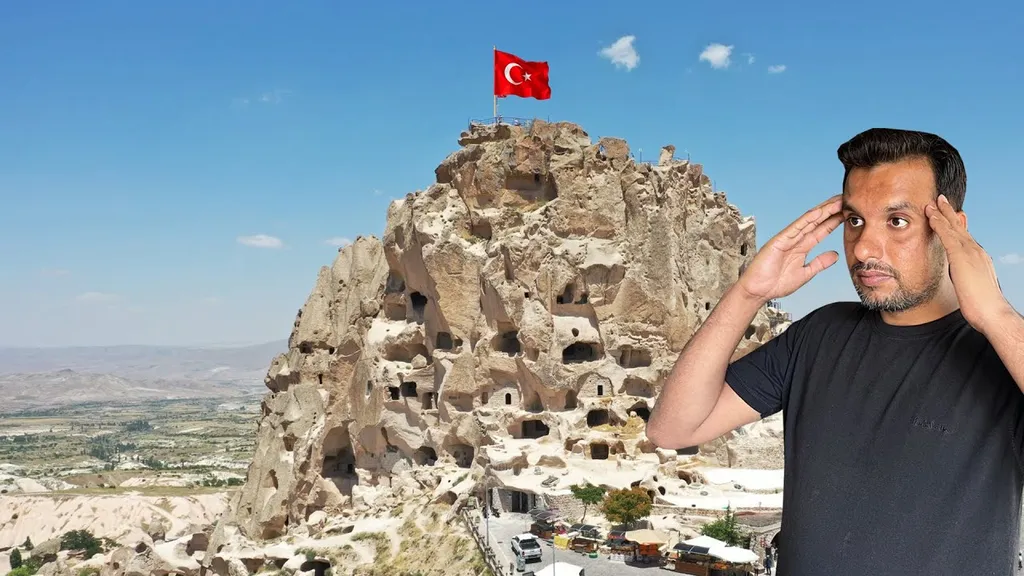
Turkey is widely known for its historic cities, beautiful coastlines and famous tourist attractions, but some of its most interesting cultural experiences can be found in its villages. Away from busy metropolitan areas, traditional communities offer a different perspective on Turkish society through family life, local food, farming, architecture, hospitality and long-standing customs.
Village life in Turkey varies from one region to another. Some communities are located in green mountain valleys, while others are surrounded by agricultural fields, forests or coastal landscapes. Traditional houses, neighbourhood markets, family-owned businesses and community celebrations remain important parts of rural life in many areas.
For international visitors, exploring Turkish villages can provide a closer understanding of local people and their everyday routines. It also offers an opportunity to discover traditional foods, regional clothing, historic buildings and cultural practices that may not be visible during a short visit to major cities.
Travel creator Adnan Musafir has explored a historic Turkish village near Bursa in his video about a Turkish girl’s love for Pakistan and the 700-year-old village associated with early Ottoman history. His journey provides a traveler’s introduction to this part of Turkey.
This article explores village life in Turkey, including local communities, traditional homes, food, family relationships, agriculture, hospitality and the cultural differences between rural and urban environments.
Understanding Village Life in Turkey
Village life in Turkey is shaped by geography, regional traditions, family relationships and local economic activities.
Some villages depend heavily on agriculture and livestock, while others have developed tourism, handicraft businesses, food production and small commercial activities.
Rural communities in the Black Sea region may have lifestyles influenced by mountainous landscapes, tea plantations and rainfall. Central Anatolian villages often have stronger connections with farming and livestock. Coastal communities may depend on fishing, agriculture and tourism.
Common Features of Turkish Village Life
- Close relationships between families and neighbours.
- Traditional food preparation at home.
- Local markets and small family businesses.
- Agricultural activities and seasonal harvests.
- Tea drinking and social gatherings.
- Religious and cultural celebrations.
- Traditional architecture in historic settlements.
- Community support during important occasions.
These features are not identical in every village. Modern facilities, technology and changing employment patterns have also influenced rural communities.
Cumalıkızık: A Historic Village Near Bursa
One of the most interesting examples of traditional Turkish village life is Cumalıkızık, located near Bursa in northwestern Turkey.
The village is known for its early Ottoman history, narrow stone streets and traditional houses. Its historic settlement dates back to the early Ottoman period, and it is recognised as part of the UNESCO World Heritage property known as Bursa and Cumalıkızık: The Birth of the Ottoman Empire, inscribed in 2014.
Cumalıkızık is particularly interesting because it is not simply a collection of preserved historic buildings. Local residents continue to live in many of its traditional houses, while shops, food businesses and tourism activities contribute to the village economy.
What Makes Cumalıkızık Special?
- Historic Ottoman-era residential architecture.
- Narrow, irregular stone-paved streets.
- Traditional houses with timber details and projecting upper floors.
- A village mosque, historic fountain and bath.
- Local food businesses and small markets.
- Traditional agricultural connections.
- A historic atmosphere close to modern Bursa.
The village demonstrates how historical architecture and everyday community life can exist together.
Adnan Musafir’s Experience in a Turkish Village
Adnan Musafir’s video titled Turkish Girl Love for Pakistan 🇹🇷 700 Years Old Usman Ghazi Village in Bursa is directly relevant to this topic.
The video was published on 15 September 2025 and focuses on a historic village in Bursa associated with early Ottoman history. The village connected with this journey is Cumalıkızık, which is known for its approximately 700-year historical background.
The video is especially relevant because it introduces a Turkish village through a traveler’s perspective and highlights the cultural connection between Turkish and Pakistani people.
What This Journey Adds to the Article
Adnan’s village-focused visit connects the subject of Turkish rural life with a specific historic location rather than discussing village culture only in general terms.
The journey provides a starting point for exploring:
- The historic village environment near Bursa.
- The relationship between traditional architecture and present-day village life.
- The importance of Ottoman heritage in the region.
- Cultural interest between Turkish and Pakistani visitors.
- The difference between visiting a famous city and exploring a traditional settlement.
The video’s title and available listing confirm its subject, but the complete footage and transcript were not independently available for detailed scene verification. Therefore, specific conversations, personal interactions, food tastings or activities are not attributed to Adnan without confirmation.
Traditional Turkish Village Houses and Architecture
Traditional houses are among the most recognisable features of many historic Turkish villages.
Their designs often reflect local materials, weather conditions, family needs and historical building traditions.
In Cumalıkızık, traditional houses commonly feature stone ground floors, timber-framed upper sections and projecting upper windows. Some houses have courtyards, while others have entrances directly connected to narrow village streets.
Common Features of Traditional Houses
| Architectural Feature | Description |
|---|---|
| Stone walls | Often used in ground-floor construction |
| Timber framing | Provides structural support and traditional appearance |
| Projecting upper floors | Creates additional interior space above narrow streets |
| Tiled roofs | Traditional roof covering |
| Wooden doors | Often feature decorative metal details |
| Courtyards | Provide private outdoor space in some homes |
| Small windows | Help maintain privacy and suit traditional building designs |
How Traditional Homes Support Family Life
Older village houses were often designed around the needs of extended families.
Ground floors could contain storage areas, kitchens, workspaces or spaces for animals. Upper floors were commonly used for living and sleeping areas.
The exact arrangement varied by region, household size and architectural period.
In historic villages, these houses are not only architectural attractions. Many continue to serve as homes, guesthouses, restaurants or small businesses.
Family Life and Relationships in Turkish Villages
Family relationships remain important in many Turkish communities.
Village households may maintain close connections with parents, grandparents, children, cousins and other relatives. Family members often gather during holidays, weddings, religious occasions and seasonal celebrations.
In some rural areas, several generations may live close to one another, making it easier to share responsibilities and provide support.
Common Family Activities
- Preparing meals together.
- Visiting relatives and neighbours.
- Celebrating weddings and religious holidays.
- Supporting family members during important events.
- Sharing agricultural or household responsibilities.
- Teaching children local customs and traditions.
- Preserving family recipes and cultural practices.
Family structures are changing as younger people move to cities for education and employment, but family connections remain significant in many communities.
Hospitality and the Importance of Turkish Tea
Hospitality is a widely recognised part of Turkish social culture.
Guests may be welcomed with tea, sweets, snacks or a meal. In village communities, social visits can provide opportunities to strengthen relationships and exchange news.
Turkish tea, known as çay, is especially important in everyday social life.
It is commonly served in small tulip-shaped glasses and may be offered at homes, shops, cafés and workplaces.
Tea as Part of Village Life
Tea can be enjoyed:
- During breakfast.
- After meals.
- During visits with relatives.
- In local village cafés.
- While talking with neighbours.
- During business and shopping breaks.
A visitor may find that tea is more than a beverage. It can be part of the way people welcome guests and create a comfortable social atmosphere.
Turkish Hospitality and Visitors
Travelers can show respect by greeting people politely, accepting hospitality graciously when appropriate and following local customs.
It is also important to ask permission before photographing residents or entering private spaces.
Traditional Turkish Village Food
Food is one of the most enjoyable ways to understand Turkish village culture.
Many traditional meals are prepared using locally available ingredients, including vegetables, grains, dairy products, meat, fruits and herbs.
Recipes vary between regions and families. Some dishes are connected with agricultural seasons, while others are prepared during religious celebrations and family gatherings.
Popular Turkish Foods
| Dish | Description |
|---|---|
| Gözleme | Thin handmade flatbread filled with ingredients such as cheese, spinach or potatoes |
| Menemen | Eggs cooked with tomatoes and peppers |
| Börek | Pastry prepared with fillings such as cheese, spinach or meat |
| Mantı | Small dumplings commonly served with yoghurt and sauce |
| Dolma | Vegetables or leaves filled with rice and other ingredients |
| Sarma | Rolled grape or cabbage leaves with a seasoned filling |
| Köfte | Seasoned meatballs or meat patties |
| Mercimek Çorbası | Traditional red lentil soup |
| Pide | Boat-shaped flatbread with different toppings |
| Baklava | Layered pastry filled with nuts and sweet syrup |
Homemade Breakfast Traditions
Turkish breakfast, known as kahvaltı, is an important meal and can include a variety of small dishes.
A traditional breakfast may contain:
- Bread and fresh pastries.
- Cheese.
- Olives.
- Tomatoes and cucumbers.
- Eggs.
- Honey and jam.
- Butter.
- Turkish tea.
In villages, breakfast businesses may use local ingredients and serve meals in courtyards or outdoor seating areas.
Local Food in Cumalıkızık
Cumalıkızık is known for its village breakfast culture and locally produced foods. Visitors may find homemade dishes, regional products, jams and other items sold by local businesses.
The village is also associated with raspberries, which are an important part of its local identity and seasonal food culture.
Agriculture and Rural Work in Turkey
Agriculture remains important in many Turkish villages.
The types of crops grown depend on local climate, soil, water availability and geography.
Some communities produce fruits and vegetables, while others focus on grains, olives, nuts, tea, livestock or other agricultural products.
Common Agricultural Activities
- Preparing fields for planting.
- Growing vegetables and seasonal crops.
- Harvesting fruits and nuts.
- Caring for livestock.
- Producing dairy products.
- Maintaining orchards.
- Selling produce in local markets.
- Preparing preserved foods for household use.
Regional Agricultural Differences
| Region | Common Agricultural Connections |
|---|---|
| Black Sea | Tea, hazelnuts and other regional crops |
| Central Anatolia | Wheat, barley and livestock |
| Aegean | Olives, grapes, figs and vegetables |
| Mediterranean | Citrus fruits, vegetables and greenhouse farming |
| Marmara | Fruits, vegetables, olives and mixed agriculture |
| Eastern Anatolia | Livestock, dairy production and regional crops |
Agricultural work often follows seasonal patterns. Harvesting periods can influence household routines and community activities.
Local Markets and Small Village Businesses
Traditional markets are an important part of village economies.
Residents may sell fresh produce, handmade products, food, household items and locally produced goods.
In historic villages that attract tourists, some residents also operate cafés, restaurants, guesthouses and souvenir shops.
Products Visitors May Find
- Homemade jams and preserves.
- Fresh fruit and vegetables.
- Local honey.
- Traditional pastries.
- Handmade textiles.
- Decorative household products.
- Regional food items.
- Traditional souvenirs.
How Tourism Supports Local Businesses
Tourism can create additional income for residents.
A traditional house may be used as a small guesthouse, while another property may become a restaurant or shop. Local producers can sell their products directly to visitors.
However, tourism also creates challenges. Crowded streets, commercial development and pressure on historic buildings can affect village life.
Sustainable tourism should support residents while protecting the local environment and cultural heritage.
Traditional Clothing and Regional Identity
Turkey has a rich variety of traditional clothing styles.
Traditional garments differ between regions and ethnic communities. They may feature colourful fabrics, embroidery, headscarves, woven textiles and distinctive accessories.
In many villages, everyday clothing is now similar to modern urban clothing, while traditional garments are more commonly worn during cultural events, weddings and festivals.
Traditional Clothing in Cultural Celebrations
Traditional outfits can be seen during:
- Village weddings.
- Folk dance performances.
- Regional festivals.
- Cultural ceremonies.
- Special family celebrations.
Clothing is one way communities preserve their identity and pass cultural traditions to younger generations.
Weddings and Celebrations in Turkish Villages
Weddings are important social occasions in many Turkish communities.
Traditional celebrations can involve family gatherings, music, dancing, food and local customs.
The details differ between regions and families.
Common Wedding Traditions
- Engagement celebrations.
- Family gatherings before the wedding.
- Traditional music and dancing.
- Special wedding meals.
- Decorative clothing and accessories.
- Community participation.
- Celebrations that may continue over more than one day.
Some rural communities preserve older customs, while others combine traditional practices with modern wedding arrangements.
Religious and National Celebrations
Village communities also observe important religious and national occasions.
These may include:
- Ramadan.
- Eid al-Fitr.
- Eid al-Adha.
- Republic Day.
- National Sovereignty and Children’s Day.
- Other local cultural celebrations.
During these occasions, families may visit relatives, prepare special meals and participate in community events.
Turkish Village Life and Religious Traditions
Islam is the majority religion in Turkey, and mosques are important features of many village communities.
The mosque may serve as a place of worship and an important part of the village’s social and architectural landscape.
Religious practices influence some family traditions, celebrations and daily routines.
However, levels of religious observance differ between individuals, families and regions.
Religious Customs Visitors Should Respect
- Dress appropriately when visiting mosques.
- Remove shoes where required.
- Follow instructions about prayer areas.
- Avoid disturbing people during worship.
- Ask before taking photographs.
- Respect local religious events and practices.
Visitors should remember that Turkey has a diverse society, and individual beliefs and lifestyles are not identical.
Differences Between Village Life and City Life in Turkey
Village and city life can differ in terms of employment, transportation, housing, social relationships and daily routines.
Cities such as Istanbul, Ankara, Izmir and Bursa offer large commercial centres, universities, offices, shopping districts and extensive transport systems.
Village communities may have closer social networks and stronger connections with agriculture, although many also benefit from modern infrastructure.
| Aspect | Village Life | City Life |
|---|---|---|
| Community | Often close relationships among neighbours | Larger and more diverse social networks |
| Employment | Agriculture, tourism, small businesses and local services | Offices, industries, commerce and services |
| Housing | Traditional houses and newer village homes | Apartments, residential complexes and modern houses |
| Transport | Private vehicles and local connections | Metro, buses, taxis and wider transport networks |
| Food | Homemade meals and local produce | Restaurants, cafés, supermarkets and takeaway |
| Social activities | Family visits, community events and local cafés | Shopping, entertainment, cultural venues and nightlife |
| Environment | Often quieter and more connected to nature | Generally busier and more densely populated |
These are broad comparisons. Modern facilities and urban lifestyles are also found in many rural communities.
Other Turkish Villages Worth Understanding
Cumalıkızık is not the only village that offers insight into Turkish rural life.
Different parts of Turkey have settlements with distinctive architecture, landscapes and cultural traditions.
Şirince, İzmir
Şirince is known for its historic houses, narrow streets, local food businesses and traditional settlement character.
Visitors can explore local shops, cafés and the surrounding landscape.
Safranbolu, Karabük
Safranbolu is famous for its historic Ottoman houses and traditional urban architecture. Its preserved buildings provide insight into earlier residential and commercial life.
Adatepe, Çanakkale
Adatepe is known for its stone houses, traditional settlement atmosphere and surrounding natural landscape.
Uzungöl, Trabzon
Uzungöl is a popular destination in the Black Sea region, surrounded by green mountains and known for its scenic environment and regional culture.
Gölyazı, Bursa
Gölyazı is a lakeside settlement near Bursa with traditional neighbourhoods, fishing connections and historic features.
Each destination offers a different perspective on Turkish regional culture.
Transportation and Access to Turkish Villages
Traveling to villages in Turkey can require more planning than visiting major cities.
Some villages are connected by public buses or minibuses, while others are easier to reach by private vehicle.
Common Transport Options
- Intercity buses.
- Local minibuses, known as dolmuş.
- Public buses.
- Taxis.
- Rental cars.
- Organised tours.
- Walking and local transport within villages.
Reaching Cumalıkızık
Cumalıkızık is located approximately 12 kilometres east of Bursa city centre.
Visitors can reach the village through local public transport connections from Bursa. Private vehicles and taxis are also options.
Because the village has narrow, uneven stone streets, comfortable walking shoes are recommended.
Travelers should check current transport routes and schedules before departure.
Best Time to Experience Turkish Village Life
The best time to visit a Turkish village depends on its location and the type of experience a traveler wants.
Spring and autumn are often comfortable seasons for exploring villages, walking through historic streets and enjoying outdoor activities.
Summer can be particularly interesting for agricultural and seasonal food experiences, although some destinations become crowded.
Winter offers a different atmosphere, especially in villages near mountains where temperatures can be much colder.
Seasonal Overview
| Season | What Visitors May Experience |
|---|---|
| Spring | Green landscapes, flowering plants and comfortable walking weather |
| Summer | Seasonal fruit, outdoor cafés and local festivals |
| Autumn | Harvest activities, changing landscapes and cooler weather |
| Winter | Quiet village streets and winter scenery in colder regions |
For Cumalıkızık, visitors interested in local products and seasonal raspberry activities may wish to consider the early summer period.
Responsible Tourism in Turkish Villages
Historic villages are living communities, not simply tourist attractions.
Residents continue to use their homes, streets and public spaces for everyday activities. Visitors should respect this while exploring the village.
Responsible Travel Tips
- Ask permission before photographing residents.
- Do not enter private courtyards or homes without an invitation.
- Avoid making unnecessary noise in residential streets.
- Purchase local products from small businesses when possible.
- Follow signs and visitor instructions.
- Avoid damaging historic buildings.
- Dispose of waste responsibly.
- Respect religious and cultural practices.
- Avoid blocking narrow streets for photographs.
- Support tourism businesses that respect local heritage.
Responsible tourism helps preserve village culture while providing economic opportunities for residents.
Frequently Asked Questions About Village Life in Turkey
What is village life like in Turkey?
Village life varies by region but can include family gatherings, local markets, traditional food, agriculture, community activities and historic architecture. Some villages are strongly connected with farming, while others have developed tourism and small businesses.
Which Turkish village is famous for Ottoman architecture?
Cumalıkızık near Bursa is one of the best-known examples of an early Ottoman village. It is recognised as part of a UNESCO World Heritage property and is famous for its historic houses and narrow stone streets.
How old is Cumalıkızık Village?
Cumalıkızık has a history dating back to the early Ottoman period, approximately 700 years. It is an important example of traditional rural settlement and architecture near Bursa.
Do people still live in Cumalıkızık?
Yes. Cumalıkızık is a living village, and many traditional houses continue to be used as residences. Some historic buildings also accommodate tourism-related businesses.
What food is popular in Turkish villages?
Traditional village food may include gözleme, börek, homemade bread, cheese, olives, jams, soups, seasonal vegetables and regional meat dishes. Food varies according to local ingredients and traditions.
What is Turkish tea culture?
Tea is widely consumed in Turkey and is commonly served during social visits, meals and conversations. It is an important part of everyday hospitality.
How do villagers in Turkey earn a living?
Income sources differ between communities. Common activities include agriculture, livestock, food production, local trade, handicrafts, tourism and small businesses.
Is Cumalıkızık a UNESCO World Heritage Site?
Yes. Cumalıkızık is included in the UNESCO World Heritage property Bursa and Cumalıkızık: The Birth of the Ottoman Empire, which was inscribed in 2014.
Can tourists visit Turkish villages?
Yes. Many Turkish villages welcome visitors. Travelers can explore historic architecture, local markets, traditional food businesses and cultural attractions while respecting residents and local customs.
Which Adnan Musafir video is related to Turkish village life?
Adnan Musafir’s video Turkish Girl Love for Pakistan: 700 Years Old Usman Ghazi Village in Bursa, published on 15 September 2025, is directly related to this topic.
Conclusion
Village life in Turkey provides a valuable understanding of the country’s cultural identity beyond its major cities and popular tourist attractions. Traditional houses, family relationships, agricultural activities, local markets, Turkish tea and regional food all contribute to the character of rural communities.
Cumalıkızık near Bursa is an especially interesting example because it combines early Ottoman history with an active village environment. Its traditional architecture, local businesses and continuing residential life show how cultural heritage can remain part of everyday community life.
Adnan Musafir’s visit to a historic village in Bursa introduces this subject through a traveler’s perspective and highlights the cultural interest connecting Turkish and Pakistani visitors.
For anyone who wants to understand Turkey more deeply, exploring its villages can be a rewarding experience. These communities reveal the importance of local traditions, hospitality, family connections and the preservation of historical places.