


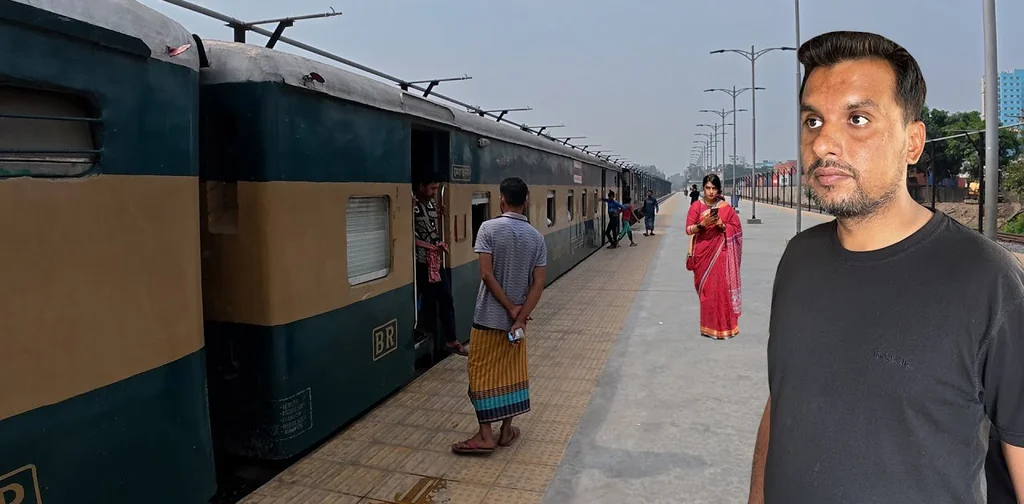
Traveling the world does not always require a large bank balance. With careful planning, flexible dates, affordable transportation, and smart spending habits, travelers can explore new destinations without putting unnecessary pressure on their finances.
Budget travel is not about avoiding every expense or choosing the cheapest option regardless of quality. It is about understanding where your money goes, prioritizing meaningful experiences, and finding ways to reduce costs without compromising safety and comfort.
Whether you are planning a weekend getaway, a road trip, or an international journey, learning how to travel on a budget can help you make the most of your available money.
This guide explains practical budget travel strategies, including transportation, accommodation, food, destination selection, daily expenses, and money management. It also discusses real travel themes reflected in Pakistani travel vlogger Adnan Musafir’s journeys.
What Is Budget Travel?
Budget travel is a way of exploring destinations while keeping expenses within a planned financial limit. It involves making informed decisions about transportation, accommodation, food, activities, and other travel costs.
A budget traveler does not necessarily choose the cheapest available option. Instead, the goal is to get reasonable value for every amount spent.
For example, staying in a clean guesthouse near public transportation may be more economical than booking an expensive hotel far from major attractions. Similarly, traveling by bus or train may cost less than flying, depending on the destination and journey.
Budget travel can include:
- Choosing affordable destinations.
- Traveling during less expensive seasons.
- Comparing transportation options.
- Booking accommodation carefully.
- Eating local food.
- Using public transportation.
- Visiting free or low-cost attractions.
- Avoiding unnecessary shopping and additional fees.
The most important principle is to plan your expenses before starting the journey.
Choose a Destination That Matches Your Budget
Destination selection is one of the most important decisions when planning an affordable trip. Some destinations have relatively low accommodation, food, and transportation costs, while others require a much larger budget.
Before choosing a destination, consider the total cost rather than looking only at flight prices.
Compare the Main Travel Expenses
Research these expenses for every destination you are considering:
| Expense | What to Check |
|---|---|
| Transportation | Flights, buses, trains, and local transport |
| Accommodation | Hotels, hostels, guesthouses, and shared rooms |
| Food | Restaurants, local markets, and groceries |
| Activities | Entrance tickets, tours, and experiences |
| Visa | Application fees and required documentation |
| Connectivity | SIM cards, mobile data, and internet |
| Insurance | Travel insurance and medical coverage |
A destination with affordable flights may still be expensive if hotels and daily transportation cost more than expected.
Consider Nearby Destinations
Traveling to a nearby country or region can sometimes reduce transportation expenses. Road journeys and regional bus services may provide affordable alternatives to international flights.
However, compare the total journey cost, including border transportation, overnight accommodation, visa expenses, and additional transfers.
Travel During the Off-Season
Travel demand affects the prices of flights, accommodation, and organized activities. Popular destinations often become more expensive during school holidays, major festivals, and peak tourism periods.
Traveling during a quieter period can help reduce costs.
Benefits of Off-Season Travel
- Lower accommodation prices in some destinations.
- More flexibility when selecting hotels.
- Less crowded tourist attractions.
- Better opportunities to compare travel options.
- Potential discounts on tours and activities.
However, the off-season is not always the cheapest or most convenient time to visit.
Before booking, check weather conditions, seasonal closures, transportation availability, and local safety conditions. Saving money is not worthwhile if important attractions are inaccessible or the journey becomes unsafe.
Compare Transportation Options Before Booking
Transportation can consume a large part of your travel budget. Choosing the right method can make a significant difference to the total cost.
Flights
Flights are useful for covering long distances quickly, but ticket prices can vary depending on demand, route, airline, baggage allowance, and booking conditions.
To reduce flight expenses:
- Compare prices across multiple booking platforms.
- Check nearby airports when practical.
- Consider flexible departure dates.
- Review baggage fees before purchasing.
- Compare direct flights with connecting flights.
- Check cancellation and change policies.
A low ticket price may become expensive after additional baggage and service charges.
Buses and Trains
Buses and trains can be economical alternatives for regional travel. They may also provide opportunities to experience local landscapes and communities.
Before choosing an overnight bus or train, consider journey duration, safety, comfort, luggage restrictions, and arrival times.
Road Trips
Road travel can be affordable when several people share fuel, tolls, and vehicle expenses. However, maintenance, accommodation, border requirements, and unexpected delays should also be included in the budget.
Compare Transportation Costs
| Transportation | Potential Advantage | Possible Disadvantage |
|---|---|---|
| Flights | Faster for long distances | Baggage and ticket costs |
| Buses | Often economical | Longer journey times |
| Trains | Comfortable on suitable routes | Limited routes in some regions |
| Shared vehicles | Expenses can be divided | Requires coordination |
| Rental cars | Flexible travel schedule | Fuel, insurance, and rental fees |
Choose transportation based on the complete cost and practical requirements of the journey.
Find Affordable Accommodation
Accommodation is another major travel expense. Choosing a suitable place to stay can help keep your budget under control.
You do not always need a luxury hotel to enjoy a destination. Clean, secure, and conveniently located accommodation may provide everything you need.
Affordable Accommodation Options
Hostels: Hostels often offer shared rooms and common facilities. They can be suitable for solo travelers who are comfortable sharing space.
Guesthouses: Local guesthouses may provide affordable private rooms and a more personal experience.
Budget Hotels: These can offer basic facilities without the additional costs of luxury accommodation.
Homestays: Staying with local hosts may provide opportunities to understand everyday life and local culture.
Shared Apartments: Sharing an apartment with other travelers can reduce the cost per person, particularly on longer trips.
How to Choose the Right Place
Before booking accommodation, check:
- Recent guest reviews.
- Location and transportation access.
- Room cleanliness.
- Security arrangements.
- Wi-Fi availability.
- Additional taxes and service fees.
- Cancellation conditions.
A cheaper room far from the city center may increase transportation expenses. Always compare the accommodation price with the cost of reaching the places you plan to visit.
Eat Local Food Instead of Expensive Restaurants
Food is an important part of travel, but restaurant expenses can increase quickly.
Eating at local restaurants, small food markets, and affordable cafes can help travelers experience regional cuisine without spending too much.
Practical Ways to Save on Food
- Try affordable local restaurants.
- Compare prices before ordering.
- Choose restaurants popular with local residents.
- Buy snacks and drinking water from reasonably priced shops.
- Use accommodation kitchen facilities when available.
- Avoid paying extra for meals you do not need.
Eating local food is not only a way to reduce expenses. It can also help you understand the culture and daily lifestyle of a destination.
Always pay attention to food hygiene, safe drinking water, and dietary requirements.
Use Public Transportation
Taxis and private transfers can become expensive, particularly when used several times a day.
Public transportation may offer a more affordable way to explore a city.
Depending on the destination, useful options include:
- Local buses.
- Metro systems.
- Trains.
- Shared taxis.
- Public minibuses.
- Bicycle rental.
- Walking.
Before using public transportation, learn about ticket prices, payment methods, operating hours, and route information.
When Walking Makes Sense
Walking is a simple way to save money when attractions are close together and the area is safe for pedestrians.
It also allows travelers to discover local streets, markets, restaurants, and neighborhoods that they might otherwise miss.
Avoid walking through unsafe areas or traveling long distances in extreme weather simply to save transportation costs.
Explore Free and Low-Cost Attractions
You do not need to purchase expensive tour packages to enjoy a destination.
Many places offer experiences that cost very little or nothing.
Examples include:
- Public parks and gardens.
- Historical streets and neighborhoods.
- Beaches and public waterfronts.
- Local markets.
- Public viewpoints.
- Cultural festivals.
- Walking routes.
- Community events.
Some museums and historical attractions also offer discounted tickets or free admission on selected days.
Plan Activities Before Your Trip
Make a list of the attractions you genuinely want to visit. Separate them into three groups:
| Category | Examples |
|---|---|
| Free | Parks, public streets, viewpoints |
| Low-cost | Local museums, public transport tours |
| Paid | Guided excursions, special attractions |
Prioritize activities that matter most to you. This prevents unnecessary spending on experiences you may not enjoy.
Pack Smart and Avoid Extra Baggage Costs
Poor packing can create additional expenses during a journey.
Airlines may charge for checked baggage, overweight luggage, or additional bags. Buying forgotten essentials at tourist destinations can also cost more than expected.
Budget Travel Packing Checklist
- Suitable clothing for the destination.
- Comfortable walking shoes.
- Essential toiletries.
- Necessary medication.
- Travel documents.
- Phone charger.
- Power bank.
- Reusable water bottle where appropriate.
- Small first-aid kit.
- Weather-appropriate accessories.
Check airline baggage rules before leaving home. Pack according to the weather, activities, and length of your trip.
Avoid carrying unnecessary items that increase luggage weight.
Manage Your Money Carefully
A travel budget should cover planned expenses and unexpected situations.
Before departure, decide how much money you can afford to spend. Divide that amount into different categories so that one expense does not consume the entire budget.
Create a Daily Spending Limit
Suppose you have a total budget of $700 for a seven-day trip.
Your average available budget would be:
| Category | Example Budget |
|---|---|
| Accommodation | $210 |
| Food | $140 |
| Local transportation | $70 |
| Activities | $70 |
| Connectivity and essentials | $30 |
| Emergency reserve | $80 |
| Flexible spending | $100 |
| Total | $700 |
This is an illustrative example, not a current price estimate for any particular destination.
Your actual budget will depend on the country, travel dates, exchange rates, accommodation choices, and personal requirements.
Keep an Emergency Reserve
Do not spend your entire budget on planned activities.
Unexpected expenses may include:
- Medical treatment.
- Missed transportation.
- Additional accommodation.
- Lost belongings.
- Route changes.
- Emergency communication.
Keep emergency money separate from your everyday spending allowance.
Avoid Unnecessary Travel Expenses
Small purchases may seem unimportant, but they can add up over several days.
Common expenses that can increase a travel budget include:
- Unplanned shopping.
- Expensive airport food.
- Repeated taxi rides.
- Unnecessary guided tours.
- International roaming charges.
- Last-minute hotel bookings.
- Excess baggage fees.
- Currency exchange with unfavorable rates.
Use a Simple Spending Rule
Before purchasing something, ask yourself:
- Do I really need this?
- Is there a more affordable alternative?
- Will this expense affect my remaining travel budget?
- Is the price reasonable compared with other options?
This simple habit can help prevent impulse spending.
Travel Slowly Instead of Visiting Too Many Places
Trying to visit several cities in a short period can increase transportation and accommodation expenses.
Traveling slowly may allow you to spend more time in each destination while reducing the number of transfers.
For example, staying in one city for four nights may be more economical than changing accommodation every night.
Slow travel can provide several advantages:
- Fewer transportation expenses.
- Less time spent packing and moving.
- More opportunities to understand local culture.
- Better flexibility in daily planning.
- Potential discounts for longer accommodation stays.
Instead of visiting every popular attraction, choose a manageable itinerary that fits your budget.
Research Visa and Border Requirements Before Traveling
Visa and border requirements can affect both your travel budget and your ability to complete a journey.
Before booking international transportation, research the entry requirements for your nationality and destination.
Consider:
- Visa application fees.
- Required documents.
- Processing times.
- Passport validity.
- Proof of accommodation.
- Return or onward travel requirements.
- Transit visa requirements.
- Border crossing restrictions.
For land journeys, confirm whether the intended border crossing is open to your nationality and travel purpose.
Do not assume that a route shown in an old travel video is currently available. Border rules, transport services, and security conditions can change.
Learn From Real Budget Travel Experiences
Budget travel becomes easier to understand when we look at how travelers explore different countries using different transportation methods and spending choices.
Pakistani travel vlogger Adnan Musafir documents international journeys, local communities, markets, and everyday experiences. His channel describes his travel style as mostly low-budget, making his journeys relevant to people interested in affordable exploration.
Pakistan to Iran by Road
Adnan’s Pakistan-to-Iran road journey provides an example of international travel beyond the usual flight-based approach.
His videos include the Pakistan–Iran border crossing and his first impressions of Iran. The journey highlights why travelers should research land transportation, border procedures, local conditions, and unexpected expenses before departure.
His video titled First Impressions of Iran | Scam In Iran | 50000 Ka Nuqsaan | Pakistan To Iran By Road | EP #2 also refers to a reported financial loss of PKR 50,000 in its title.
This is an important reminder that budget travel is not simply about spending less. Travelers must also protect their money, verify services, and remain alert to possible scams.
A personal incident should not be treated as a normal expense or as proof that every traveler will experience the same situation.
Pakistan to China by Bus
Adnan’s journey titled Pakistan to China by Bus | Crossing the World’s Highest Border | Khunjerab Pass demonstrates another travel approach: reaching an international destination by road.
For travelers considering a similar journey, transportation planning should include:
- Bus ticket costs.
- Border and immigration requirements.
- Weather conditions.
- Travel time.
- Accommodation during the journey.
- Food and personal expenses.
- Possible delays.
The actual cost of a future trip must be checked independently because fares, routes, and border arrangements can change.
Exploring China’s Major Wholesale Markets
Adnan has also explored Huaqiangbei in Shenzhen and the large wholesale market in Yiwu.
These journeys show how markets can become part of a travel experience. Visitors interested in shopping or business sourcing should plan their spending carefully.
Before purchasing products, compare prices, understand product quality, check shipping arrangements, and consider customs requirements.
A market visit can be interesting without requiring travelers to purchase large quantities of products.
What These Experiences Teach Budget Travelers
These journeys highlight several useful lessons:
- Different transportation methods can create different budget opportunities.
- Border and route planning should happen before departure.
- Unexpected financial losses can affect an otherwise affordable trip.
- Local markets and everyday experiences can be meaningful parts of travel.
- Travelers should verify current information instead of relying only on older travel experiences.
Adnan’s journeys provide individual travel examples, not guaranteed prices or universal recommendations.
Use Technology to Plan an Affordable Trip
Travel planning tools can help compare prices, organize reservations, and manage expenses.
Useful digital resources include:
- Flight comparison platforms.
- Hotel booking services.
- Digital maps.
- Currency converters.
- Public transportation applications.
- Translation tools.
- Expense tracking applications.
- Offline maps.
Download important travel information before departure, especially if you may not have reliable mobile internet.
Keep digital and physical copies of essential documents. Protect your accounts with strong passwords and avoid using unsecured public Wi-Fi for sensitive transactions.
Budget Travel Tips for Solo Travelers
Solo travelers have more flexibility when choosing destinations and daily activities, but they may need to pay the full cost of accommodation and private transportation.
To reduce expenses:
- Choose destinations with affordable public transport.
- Consider reputable hostels or guesthouses.
- Plan activities around nearby locations.
- Compare shared tours with private tours.
- Research safe neighborhoods before booking.
- Share your itinerary with a trusted person.
Never compromise personal safety to save money. A slightly more expensive but secure accommodation option may be the better decision.
Budget Travel Tips for Families
Family travel requires additional planning because transportation, meals, accommodation, and activities may need to accommodate several people.
Families can manage costs by:
- Comparing family rooms with multiple hotel rooms.
- Booking accommodation with kitchen facilities.
- Selecting destinations with free family activities.
- Planning transportation in advance.
- Checking child ticket policies.
- Avoiding unnecessarily complicated itineraries.
Traveling with children may require additional money for food, medication, and emergency needs. Include these expenses in the budget before departure.
Common Budget Travel Mistakes to Avoid
Even experienced travelers can make mistakes that increase trip expenses.
| Mistake | Better Approach |
|---|---|
| Booking only by the cheapest ticket price | Compare the complete journey cost |
| Ignoring baggage fees | Review baggage rules before payment |
| Choosing accommodation far away | Calculate local transportation expenses |
| Spending the entire budget | Keep an emergency reserve |
| Making too many stops | Create a realistic itinerary |
| Ignoring visa requirements | Verify entry rules before booking |
| Trusting unverified travel offers | Check providers and payment terms |
| Following outdated travel information | Confirm current conditions |
Avoiding these mistakes can make your journey more predictable and financially manageable.
Step-by-Step Budget Travel Planning Checklist
Use this checklist to organize your next trip.
Before Booking
- Select a destination that matches your budget.
- Research visa and entry requirements.
- Compare transportation options.
- Check seasonal weather conditions.
- Estimate accommodation expenses.
- Research food and local transportation costs.
Before Departure
- Confirm all reservations.
- Check baggage restrictions.
- Arrange suitable travel insurance.
- Prepare emergency funds.
- Save important documents.
- Download offline maps.
- Inform a trusted person about your itinerary.
During the Journey
- Track daily spending.
- Use suitable public transportation.
- Compare prices before purchasing.
- Avoid unnecessary shopping.
- Protect your documents and money.
- Keep emergency funds separate.
Frequently Asked Questions
How can I travel on a budget?
Choose an affordable destination, compare transportation prices, book suitable accommodation, eat local food, use public transportation, and plan activities before departure. Keeping an emergency reserve is also important.
What is the cheapest way to travel internationally?
There is no single cheapest method for every route. Flights, buses, trains, and shared road transportation may offer different advantages. Compare the complete journey cost, including luggage, transfers, accommodation, and border expenses.
How much money should I save before traveling?
Your savings target depends on your destination, trip duration, travel style, and personal requirements. Estimate transportation, accommodation, food, activities, visa fees, insurance, and emergency expenses before deciding how much to save.
Is budget travel safe?
Budget travel can be safe when travelers make responsible decisions. Choose secure accommodation, use reputable transportation providers, research local conditions, protect your belongings, and avoid suspicious offers.
How can I save money on accommodation?
Compare hostels, guesthouses, budget hotels, and shared apartments. Check the location, reviews, additional fees, and transportation access before booking.
Is traveling during the off-season cheaper?
It can be cheaper because demand for accommodation and transportation may decrease. However, prices and conditions vary by destination, so travelers should check weather, local events, and seasonal closures.
Can I travel internationally with a limited budget?
Yes, depending on your destination, nationality, visa requirements, and travel duration. Careful planning, affordable transportation, and realistic spending limits can make some international journeys more accessible.
Is slow travel better for saving money?
Slow travel can reduce repeated transportation costs and allow travelers to negotiate longer accommodation stays. It is especially useful when exploring destinations with several nearby attractions.
Should I carry cash or use a bank card?
The best option depends on the destination and payment availability. Carry some local cash for small purchases while keeping a secure backup payment method. Check foreign transaction fees and exchange rates before departure.
What is the most important budget travel tip?
Plan the complete cost of your journey rather than focusing on one cheap ticket or hotel. Include transportation, accommodation, food, activities, documentation, and unexpected expenses.
Conclusion
Traveling on a budget is possible when you make thoughtful decisions before and during your journey. Choosing the right destination, comparing transportation, finding suitable accommodation, eating local food, and controlling daily expenses can help you explore more without overspending.
The experiences documented by travelers such as Adnan Musafir also show that international exploration can involve road journeys, local markets, cultural encounters, and unexpected financial challenges.
Remember that affordable travel does not mean sacrificing safety or comfort. The best budget trip is one that fits your financial situation, offers meaningful experiences, and leaves you with good memories rather than unnecessary expenses.