


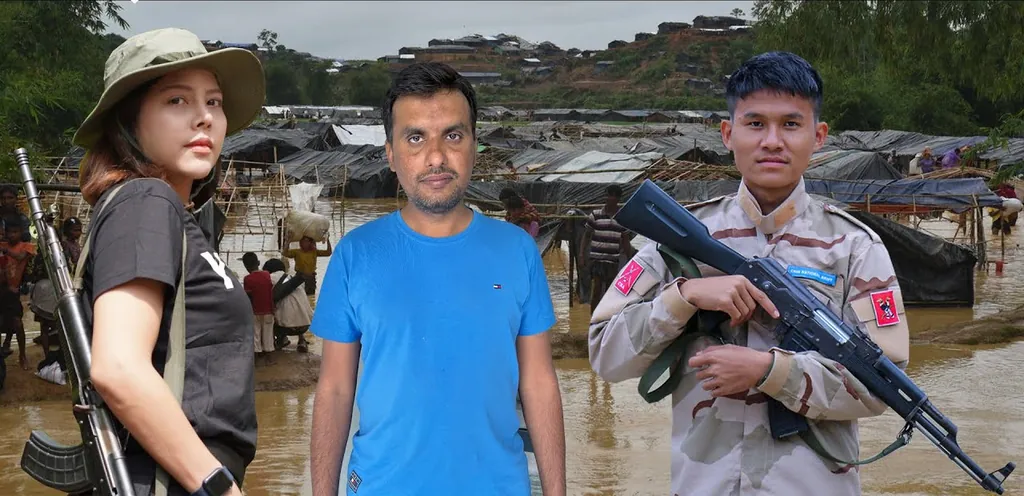
Myanmar, also known as Burma, is a Southeast Asian country with a fascinating cultural identity, traditional communities, historic religious sites, and diverse everyday lifestyles. From the busy streets of Yangon to quiet rural villages, the country offers travelers an opportunity to understand how people live, work, eat, worship, and maintain their traditions.
Traveling through Myanmar is not only about visiting famous pagodas and historical attractions. Some of the most meaningful experiences come from observing local markets, exploring residential neighborhoods, tasting traditional food, learning about different communities, and understanding the country’s cultural diversity.
Travel creator Adnan Musafir documented several experiences in Myanmar, including village life, the Muslim community in Yangon, local markets, Burmese food, and the famous Shwedagon Pagoda. His videos provide useful perspectives on different aspects of everyday life in the country.
This guide explores Myanmar through its local communities, cultural traditions, food, religious heritage, city life, and rural experiences. It also explains what travelers should consider when planning a visit.
Discovering Myanmar Through Local Travel Experiences
Myanmar offers a different experience from many other Southeast Asian destinations. Its cultural traditions, religious heritage, traditional clothing, food, and community lifestyles create a distinctive atmosphere.
For travelers, exploring everyday life can be just as interesting as visiting major tourist attractions.
Adnan Musafir’s Myanmar travel videos focus on several aspects of the country:
- Rural village life and traditional communities
- The Muslim community and its history in Yangon
- Local streets and traditional food
- Shwedagon Pagoda and Buddhist heritage
- Markets and everyday city experiences
These experiences provide a starting point for understanding Myanmar beyond conventional sightseeing.
Adnan Musafir’s Experiences in Myanmar
Adnan Musafir documented different sides of Myanmar through three particularly relevant travel videos. Each one focuses on a different part of the country’s people, culture, and everyday lifestyle.
1. Exploring Village Life in Myanmar
In his video titled I Visited the Most RESTRICTED Area in Burma – Village Life of Myanmar, Adnan explores rural Myanmar and introduces viewers to village environments.
Village life is an important part of Myanmar’s cultural identity. Outside major cities, many communities maintain traditional lifestyles connected with agriculture, local trade, religious institutions, and family relationships.
The video’s description highlights several characteristics of rural communities, including agricultural activities, traditional homes, livestock, fishing, and the importance of Buddhist monasteries and pagodas in village life.
Traditional Homes and Rural Settlements
Traditional rural homes in Myanmar can be built using materials such as bamboo and wood. In some areas, houses are raised above ground level, helping protect living spaces from seasonal flooding and providing ventilation.
The design of rural houses varies according to local geography, climate, available materials, and community traditions.
Agriculture and Everyday Work
Agriculture remains important to many rural communities. Depending on the region, people may participate in rice cultivation, livestock raising, fishing, and other agricultural activities.
These occupations influence everyday routines, local markets, family responsibilities, and community relationships.
Community and Religious Life
Religious institutions often play an important role in village communities. Buddhist monasteries and pagodas can serve as places for worship, ceremonies, education, and community activities.
Adnan’s village-life video introduces viewers to this rural side of Myanmar, offering a different perspective from the country’s busy urban centers.
2. Understanding Muslim Life in Yangon
Another important video is Unbelievable Hospitality of Burma People – How Muslim Life in Myanmar.
This journey focuses on the Muslim community in Yangon and explores aspects of its history, culture, traditions, and everyday life.
Myanmar is religiously and culturally diverse. Although Buddhism is the country’s majority religion, Muslim communities have a long-established presence in different parts of the country.
The Muslim Community in Yangon
Yangon is home to communities with different religious and cultural backgrounds. Muslim residents contribute to the city’s social, commercial, and cultural life.
The city’s Muslim heritage can be explored through historic religious sites, neighborhood streets, local businesses, and traditional food establishments.
For travelers, learning about these communities provides a broader understanding of Myanmar’s identity.
Historic Connection with Bahadur Shah Zafar
One particularly interesting part of Adnan’s journey is his visit to the historic tomb of Bahadur Shah Zafar, the last Mughal emperor.
Bahadur Shah Zafar was exiled to Rangoon, now known as Yangon, following the Indian Rebellion of 1857. He spent the final years of his life there and was buried in the city.
His tomb is an important historical location for people interested in Mughal history and the historical connections between South Asia and Myanmar.
The visit offers a reminder that Myanmar’s history is connected not only with Southeast Asian kingdoms but also with wider regional events and communities.
Cultural Diversity and Everyday Life
Exploring Muslim communities in Yangon can introduce visitors to different food traditions, religious practices, neighborhood activities, and family lifestyles.
Travelers should remember that Muslim communities are not identical everywhere. Customs, languages, traditions, and everyday experiences can differ between families and locations.
Adnan’s video provides a personal travel perspective on one part of this wider community.
3. Exploring Yangon’s Streets, Food, and Markets
In My Last Day in Myanmar – Unbelievable Experience in My 5 Years Travel Journey, Adnan documents his final day in Yangon before continuing his travels toward Cambodia.
The video description specifically mentions exploring local streets, tasting Burmese food, visiting Shwedagon Pagoda, and experiencing the city’s markets.
These activities represent some of the most interesting parts of urban travel in Myanmar.
Walking Through Local Streets
Yangon’s streets provide a look at everyday city life. Residential neighborhoods, small shops, food sellers, commercial buildings, and busy roads all contribute to the city’s character.
Walking through local streets allows travelers to observe how residents use public spaces, purchase daily necessities, travel around the city, and interact with one another.
Tasting Burmese Food
Food is an important part of experiencing a new culture. Myanmar’s cuisine reflects regional ingredients and influences from neighboring countries.
Adnan’s final-day video specifically mentions tasting Burmese food during his exploration of Yangon.
For visitors, trying local dishes can be a useful way to understand the country’s culinary traditions.
Visiting Local Markets
Markets are among the most interesting places to experience everyday life.
Yangon’s markets bring together food sellers, small traders, shoppers, and local businesses. Depending on the market, visitors may find fresh vegetables, fruit, spices, household products, clothing, snacks, and prepared food.
Exploring these places also provides opportunities to observe local shopping habits and the role of small businesses in the city.
Visiting Shwedagon Pagoda
Shwedagon Pagoda is one of Myanmar’s most famous religious landmarks and an important part of Yangon’s identity.
The enormous golden stupa is a major destination for Buddhist worshippers and international visitors. Its architecture, religious atmosphere, and historical importance make it one of the most recognizable landmarks in the country.
Adnan’s video identifies Shwedagon Pagoda as one of the places he explored during his final day in Myanmar.
Understanding Myanmar’s Local Culture
Myanmar’s culture has developed through centuries of religious traditions, regional kingdoms, trade, migration, and interaction with neighboring countries.
The country’s cultural identity is not limited to one ethnic group, language, or religious tradition. Different communities maintain their own customs, celebrations, clothing styles, and local practices.
1. Religion and Spiritual Traditions
Theravada Buddhism has a major influence on Myanmar’s cultural and social life.
Pagodas, monasteries, religious ceremonies, and Buddhist festivals are important features of many communities.
Visitors may see people making offerings, lighting candles, donating food, or visiting religious sites.
Other religious communities, including Muslims, Christians, and Hindus, also contribute to the country’s cultural diversity.
2. Traditional Clothing
Traditional clothing remains visible in everyday life.
One of the most recognizable garments is the longyi, a traditional wraparound cloth worn by both men and women.
Longyis are available in different fabrics, patterns, and colors. They are worn in homes, workplaces, markets, and public places.
For visitors, traditional clothing is an important part of understanding Myanmar’s everyday visual culture.
3. Thanaka and Traditional Beauty Practices
Thanaka is a traditional cosmetic paste made from the bark of certain trees.
It is commonly applied to the face, particularly by women and children, although usage varies between individuals and communities.
Thanaka has cultural significance and is traditionally valued for its cooling sensation and skin-care properties.
Visitors may notice pale yellow or cream-colored patterns on people’s cheeks and faces while exploring local neighborhoods and markets.
4. Family and Community Relationships
Family and community relationships are important in many parts of Myanmar.
People may maintain close relationships with relatives, neighbors, and religious communities. Shared meals, ceremonies, and community activities can play an important role in social life.
However, lifestyles vary considerably between urban and rural locations, generations, and cultural groups.
5. Festivals and Celebrations
Myanmar celebrates several religious and cultural festivals throughout the year.
Some important celebrations include:
- Thingyan Water Festival: A major traditional New Year celebration involving water-related activities and community events.
- Thadingyut Festival: Also known as the Festival of Lights, associated with Buddhist traditions.
- Taunggyi Balloon Festival: A well-known celebration featuring hot-air balloons and festive activities.
- Ananda Pagoda Festival: A religious festival associated with Bagan’s famous Ananda Temple.
Festival dates and activities can vary each year, so travelers should confirm local schedules before planning a visit.
Traditional Burmese Food and Everyday Eating Habits
Food is one of the best ways to understand a country’s culture.
Myanmar’s cuisine combines rice, noodles, vegetables, fish, herbs, spices, and fermented ingredients. Food traditions differ between regions, ethnic communities, and households.
Travelers exploring Yangon can find traditional restaurants, street-food stalls, tea shops, and local markets.
Popular Foods to Try in Myanmar
| Food | Description |
|---|---|
| Mohinga | A traditional rice-noodle soup commonly prepared with a fish-based broth |
| Laphet Thoke | A tea-leaf salad mixed with ingredients such as nuts, beans, and crunchy toppings |
| Shan Noodles | A noodle dish associated with Shan State, often served with seasoned sauce |
| Ohn No Khao Swe | A coconut-based noodle dish |
| Burmese Curry | A variety of curries served with rice and accompanying dishes |
| Samosa Salad | A salad made with samosas and other ingredients |
| Mont Lin Ma Yar | A traditional street snack made from small rice-based portions |
Street Food Culture
Street food is an important part of urban eating culture in Myanmar.
In cities such as Yangon, food stalls and small restaurants serve inexpensive meals, snacks, noodles, drinks, and traditional dishes.
Visitors can explore different foods by visiting busy markets and established local food areas.
It is sensible to choose clean, busy food stalls, drink safe water, and be cautious with unfamiliar ingredients if you have food allergies or dietary restrictions.
Tea Shops and Social Life
Tea shops are an important feature of everyday social life in many parts of Myanmar.
People visit them to drink tea, eat snacks, meet friends, discuss daily matters, and spend time outside their homes.
For visitors, a traditional tea shop can provide a simple way to observe local social habits and experience the atmosphere of a neighborhood.
Exploring Yangon’s Main Attractions
Yangon is Myanmar’s largest city and an important commercial and cultural center.
It offers a combination of religious landmarks, historical buildings, busy markets, residential neighborhoods, and traditional food locations.
Shwedagon Pagoda
Shwedagon Pagoda is one of the most important religious landmarks in Myanmar.
Its golden structure dominates the surrounding landscape and attracts Buddhist worshippers from across the country.
Visitors can observe traditional religious activities, architectural details, and the atmosphere of an important spiritual destination.
Travelers should dress respectfully, remove footwear where required, and follow site rules.
Bogyoke Aung San Market
Bogyoke Aung San Market is a well-known shopping destination in Yangon.
The market is associated with traditional crafts, jewelry, clothing, souvenirs, and other products.
It is an interesting location for visitors who want to explore local commerce and purchase items connected with Myanmar’s cultural traditions.
Sule Pagoda
Sule Pagoda is another important religious landmark in central Yangon.
Its location near busy roads and commercial areas makes it an interesting example of how religious heritage and modern city life exist alongside each other.
Colonial-Era Architecture
Yangon has several buildings reflecting its colonial-era history.
Historic structures, old commercial buildings, and traditional streets provide insight into the city’s architectural development.
Exploring these areas can help travelers understand how different historical periods influenced the modern city.
Rural Myanmar: Village Life and Traditional Communities
Rural Myanmar offers a different atmosphere from major cities.
Village communities may be closely connected with agriculture, fishing, local markets, religious institutions, and traditional family structures.
The countryside also reflects the country’s geographical diversity, including river plains, agricultural regions, forests, and mountainous areas.
Agriculture and Farming
Rice cultivation is an important agricultural activity in Myanmar.
Depending on the region, farmers may also grow vegetables, fruits, pulses, and other crops.
Agricultural work influences seasonal routines, household income, and local trading activities.
Traditional Housing
Traditional rural houses can reflect the materials and environmental conditions available in a particular area.
Bamboo, timber, and other locally available materials may be used in construction.
In flood-prone areas, elevated houses can help protect living spaces from water.
Local Markets and Small Businesses
Village markets provide residents with access to food, clothing, household products, and everyday necessities.
Small shops and family-run businesses are important parts of local economies.
Visitors exploring rural markets should behave respectfully, ask permission before taking photographs, and avoid disrupting business activities.
Religious and Community Centers
Monasteries, pagodas, and other religious buildings can be important gathering places.
Religious institutions may support ceremonies, education, community events, and charitable activities.
Their influence varies across different religious and cultural communities.
Myanmar’s Cultural Diversity
Myanmar is home to many ethnic communities with different languages, traditions, and cultural identities.
The country’s diversity is particularly visible in its regional clothing, food, festivals, music, crafts, and local architecture.
Some of the major ethnic communities include:
- Bamar
- Shan
- Karen
- Rakhine
- Mon
- Kachin
- Chin
- Kayah
Each community has its own historical background and cultural characteristics.
Travelers should avoid treating Myanmar as culturally uniform. A tradition found in one region may not be practiced in another.
Understanding this diversity makes travel more meaningful and helps visitors appreciate the country’s complex cultural identity.
Everyday Life in Myanmar: City Versus Village
Daily life can look very different depending on where people live.
Urban residents may have greater access to shops, educational institutions, transportation, hospitals, and employment opportunities.
Rural communities may depend more heavily on agriculture, fishing, local trading, and community-based activities.
| Lifestyle Factor | Urban Areas | Rural Areas |
|---|---|---|
| Employment | Business, services, industry, and other occupations | Agriculture, fishing, small businesses, and local work |
| Shopping | Supermarkets, shops, and markets | Local markets and small shops |
| Transportation | Buses, taxis, motorcycles, and other transport | Walking, motorcycles, local transport, and other methods |
| Housing | Apartments, houses, and mixed urban buildings | Traditional homes and village settlements |
| Community life | Neighborhood and professional networks | Often close village and family networks |
| Daily activities | Work, education, shopping, and commuting | Farming, household work, trading, and community activities |
This comparison is general. Living conditions differ significantly between regions and individual households.
What Makes Myanmar Interesting for Travelers?
Myanmar offers several experiences that make it an interesting destination for cultural and independent travelers.
A Combination of History and Modern Life
Historic pagodas, colonial architecture, traditional markets, and modern commercial areas exist within the same urban environment.
Different Religious Communities
The country has a range of religious traditions. Exploring these communities provides a broader understanding of its social and cultural identity.
Traditional Food
Myanmar’s food culture offers distinctive combinations of rice, noodles, herbs, fish, tea leaves, and spices.
Rural Landscapes
Outside major cities, travelers can discover agricultural communities, traditional settlements, and natural landscapes.
Local Markets
Markets offer opportunities to observe shopping habits, regional products, food traditions, and everyday commercial activities.
Travel Planning: Important Things to Know Before Visiting Myanmar
Myanmar’s travel situation can change because of security conditions, local restrictions, transport disruptions, and regional developments.
Travelers should not assume that a destination shown in an older travel video is currently safe or accessible.
Before planning a visit, consider the following points.
1. Check Current Security Conditions
Security conditions can vary considerably between states, regions, and individual towns.
Review current travel advisories and reliable local information before choosing destinations. Avoid conflict-affected areas and follow instructions from local authorities.
2. Confirm Entry and Visa Requirements
Visa rules depend on nationality, travel purpose, and current immigration policies.
Confirm the latest entry requirements before purchasing flights or making non-refundable reservations.
3. Plan Transportation Carefully
Transportation options may include domestic flights, buses, taxis, and other local services.
Availability and operating conditions can change, so confirm arrangements close to your travel dates.
4. Prepare Payment Options
Travelers should understand the local payment environment before arrival.
Cash availability, exchange arrangements, banking services, and card acceptance may differ by location.
5. Respect Religious Customs
When visiting pagodas, monasteries, mosques, and other religious places, follow local dress and behavior expectations.
Avoid photographing worshippers without permission and respect restricted areas.
6. Understand Local Photography Rules
Some locations may have restrictions on photography, particularly around sensitive infrastructure, government buildings, security facilities, and religious sites.
Always follow local instructions.
Responsible Travel in Myanmar
Responsible tourism is important when visiting communities that may face economic, environmental, or social challenges.
Travelers can support responsible tourism through simple actions:
- Purchase products from local businesses when possible.
- Respect religious sites and cultural traditions.
- Avoid littering in villages, markets, and natural areas.
- Ask permission before photographing local residents.
- Do not enter private homes or restricted community areas without permission.
- Avoid making assumptions about people based on their religion or ethnicity.
- Follow local safety rules and travel restrictions.
A respectful approach helps travelers build better experiences while reducing negative effects on local communities.
Frequently Asked Questions About Myanmar Travel
What is Myanmar famous for?
Myanmar is known for its Buddhist pagodas, historic temples, traditional culture, diverse ethnic communities, local food, and natural landscapes. Shwedagon Pagoda and the ancient temples of Bagan are among its best-known attractions.
What is everyday life like in Myanmar?
Everyday life varies between cities and rural communities. Urban residents may work in businesses, shops, services, and other occupations, while many rural communities have stronger connections with agriculture, fishing, and local trading.
What food should travelers try in Myanmar?
Popular dishes include Mohinga, Laphet Thoke, Shan Noodles, Ohn No Khao Swe, and different types of Burmese curry. Travelers can explore local restaurants, food stalls, and traditional tea shops.
What is traditional clothing in Myanmar?
The longyi is one of the country’s most recognizable traditional garments. It is worn by men and women and comes in different fabrics, colors, and patterns.
What is Thanaka in Myanmar?
Thanaka is a traditional cosmetic paste made from tree bark. It is commonly applied to the face and is an important part of Myanmar’s beauty and cultural traditions.
Are there Muslim communities in Myanmar?
Yes. Muslim communities have a long-established presence in Myanmar, including Yangon. They contribute to the country’s religious, cultural, and commercial diversity.
Who was Bahadur Shah Zafar?
Bahadur Shah Zafar was the last Mughal emperor. After the Indian Rebellion of 1857, he was exiled to Rangoon, now Yangon, where he spent his final years and was buried.
What can travelers experience in a Myanmar village?
Depending on the region, village experiences may include traditional housing, agriculture, local markets, fishing, community activities, and religious traditions.
Is Myanmar currently safe for tourists?
Safety conditions vary by region and can change quickly. Travelers should check current government travel advisories and reliable local updates before planning a visit. Older travel videos should not be treated as confirmation of present-day safety.
Why is Yangon interesting for cultural travelers?
Yangon combines religious landmarks, traditional markets, historic architecture, local food, and communities with different cultural backgrounds. It offers opportunities to understand several aspects of Myanmar’s urban life.
Conclusion
Myanmar is a country with a rich cultural identity, diverse communities, historic religious landmarks, and distinctive everyday traditions. Exploring the country through local streets, rural villages, traditional food, markets, and religious sites provides a deeper understanding of its people and lifestyle.
Adnan Musafir’s travel experiences offer several perspectives on this diversity. His village-life journey introduces rural communities, his visit to Yangon’s Muslim community highlights an important part of the country’s social history, and his final-day exploration captures local streets, Burmese food, markets, and Shwedagon Pagoda.
Together, these experiences show why understanding local life is an important part of international travel. Myanmar is more than its famous landmarks: its people, traditions, communities, and everyday experiences are essential to understanding the country.
For anyone researching Myanmar travel, culture, and local lifestyles, exploring these different aspects provides a more complete picture of this fascinating Southeast Asian destination.