


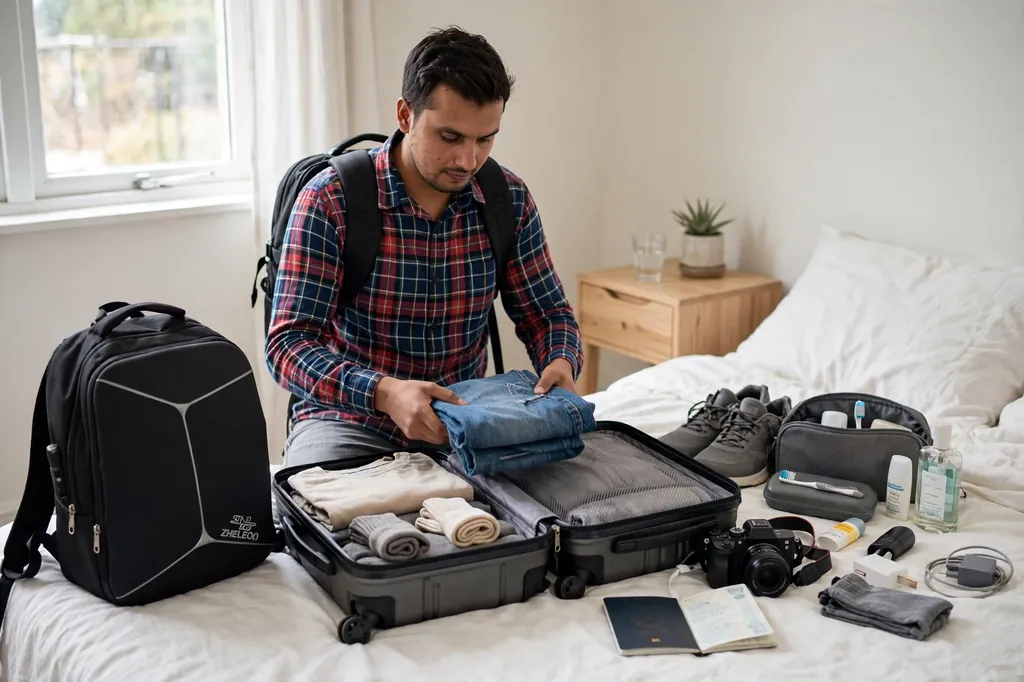
Packing for a trip can be exciting, but forgetting important items can create unnecessary stress, expenses, and inconvenience. Whether you are planning a weekend getaway, an international vacation, a family holiday, or a long road trip, having a well-organized travel packing list makes preparation much easier.
The right packing list depends on your destination, weather, travel duration, transportation, and planned activities. A beach vacation requires different items from a mountain adventure, while an international journey may require additional documents, adapters, and personal essentials.
This ultimate travel packing list covers everything you may need before leaving home, including travel documents, clothing, toiletries, electronics, medicines, luggage, and destination-specific accessories. It also includes practical packing tips to help you avoid overpacking and keep your belongings organized.
Important Travel Documents
Travel documents should be the first items you prepare because forgetting them can interrupt your entire journey.
Keep important documents together in a secure travel organizer or folder. For international travel, check the entry requirements of your destination before departure.
Essential Travel Documents Checklist
- Valid passport, if required
- National identification card
- Visa or travel authorization, if required
- Flight, train, or bus tickets
- Hotel or accommodation confirmations
- Travel insurance documents
- Driving licence, if needed
- International Driving Permit, where required
- Emergency contact information
- Copies of important documents
- Relevant medical documents
- Tour or activity reservations
Keep Digital and Physical Copies
Store digital copies of important documents in a secure location that you can access when needed.
It is also useful to keep a separate physical copy of essential information. Do not store all your documents, payment cards, and emergency details in one place.
Before departure, confirm passport validity, visa conditions, and any additional documentation required for your nationality and destination.
Clothing and Travel Outfits
Clothing is one of the largest parts of most travel packing lists. However, packing too many outfits can make luggage heavy and difficult to manage.
Choose clothes according to the destination’s weather, trip duration, cultural expectations, and planned activities.
Basic Clothing Checklist
- T-shirts or casual tops
- Shirts or comfortable tops
- Trousers or jeans
- Comfortable everyday outfits
- Underwear
- Socks
- Sleepwear
- Comfortable walking shoes
- Sandals or slippers
- Light jacket or sweater
- Suitable travel outfit
- Extra outfit for emergencies
Clothing for Different Weather Conditions
| Weather | Recommended Clothing |
|---|---|
| Hot weather | Lightweight and breathable clothing |
| Cold weather | Thermal layers, sweaters, and warm jackets |
| Rainy weather | Waterproof jacket and suitable footwear |
| Mountain destinations | Warm layers, trekking clothes, and sturdy shoes |
| Beach destinations | Swimwear, light clothing, and sun protection |
| City travel | Comfortable outfits and walking shoes |
Choose Versatile Clothing
Pack clothing items that can be combined into multiple outfits. Neutral colors and comfortable layers can reduce the number of items you need.
If you are traveling for several weeks, consider doing laundry during the trip instead of carrying clothing for every single day.
Toiletries and Personal Care Items
Personal hygiene products help you stay comfortable throughout your journey.
Some accommodation providers offer basic toiletries, but it is useful to carry the items you regularly use.
Toiletries Packing Checklist
- Toothbrush
- Toothpaste
- Shampoo
- Conditioner
- Body wash or soap
- Deodorant
- Hairbrush or comb
- Face wash
- Moisturizer
- Sunscreen
- Lip balm
- Razor or shaving products
- Nail clippers
- Wet wipes
- Tissues
- Hand sanitizer
- Personal hygiene products
- Small towel, if needed
Pack Toiletries Properly
Use a separate waterproof toiletry bag to prevent leaks from damaging clothing and electronics.
For air travel, check the current airline and airport rules for liquids, gels, aerosols, and sharp personal-care items. Restrictions can differ between cabin and checked baggage.
Electronics and Travel Gadgets
Electronic devices are useful for navigation, communication, photography, entertainment, and travel arrangements.
However, carrying too many gadgets can make luggage unnecessarily heavy.
Electronics Packing Checklist
- Smartphone
- Phone charger
- Charging cables
- Power bank
- Headphones or earbuds
- Camera, if needed
- Camera charger
- Extra memory card
- Laptop or tablet, if needed
- Laptop charger
- Universal travel adapter
- Smartwatch charger, if needed
- Portable storage device, if needed
Check Power and Plug Compatibility
Different destinations may use different plug types and electrical standards.
Before departure, check the power requirements of your destination and make sure your charger or adapter is compatible.
Also check airline rules for power banks and spare lithium batteries. These are commonly subject to specific cabin-baggage requirements and should not automatically be packed in checked luggage.
Medicines and First-Aid Essentials
Health-related items are important, particularly when traveling to unfamiliar destinations or places where pharmacies may be difficult to access.
Your medical packing list should reflect your personal needs and the length of your trip.
Basic Health and First-Aid Checklist
- Regular prescription medication
- Copy of prescriptions, if appropriate
- Basic first-aid supplies
- Adhesive bandages
- Antiseptic wipes
- Personal medical supplies
- Hand sanitizer
- Insect repellent, if needed
- Motion sickness medication, if suitable
- Oral rehydration products, if appropriate
- Thermometer, if needed
Do not start taking unfamiliar medication simply because it appears on a general packing list. Ask a healthcare professional or pharmacist about medicines suitable for your needs.
Important Medication Travel Tips
Keep essential medication in your carry-on bag when permitted. Carry it in its original packaging where practical and check whether your destination restricts particular medicines.
For prescription medication, keep relevant documentation available, especially when traveling internationally.
Money, Wallet, and Payment Essentials
Managing money during travel requires preparation. Your payment options may differ depending on the destination.
Money and Payment Checklist
- Wallet
- Local currency
- Suitable international payment card
- Backup payment card, if available
- Emergency cash
- Bank contact information
- Secure money pouch
- Currency exchange information
Avoid keeping all your cash and payment cards in one location.
Before departure, check foreign transaction fees, card acceptance, ATM availability, and currency exchange arrangements.
Carry-On Bag Essentials
Your carry-on bag should contain items that you may need during transportation or if your checked luggage is delayed.
Keep important documents, essential medication, and valuable electronics accessible and secure.
Carry-On Packing Checklist
- Passport and required identification
- Tickets and booking confirmations
- Wallet and payment cards
- Phone
- Phone charger
- Power bank, following airline rules
- Essential medication
- Headphones
- Tissues
- Hand sanitizer
- Reusable water bottle, empty if required at security
- Light jacket or shawl
- Small snack, where permitted
- Eye mask or travel pillow, if useful
- A change of clothes for longer journeys
What Should Stay in Your Carry-On?
Keep essential documents, valuables, and items you may need urgently with you rather than placing them in checked luggage.
Check the airline’s current cabin baggage size, weight, prohibited-item, and liquid restrictions before packing.
Travel Accessories That Make Your Journey Easier
Small travel accessories can improve comfort and organization.
You do not need to buy every travel gadget available. Choose accessories that solve a practical problem during your journey.
Useful Travel Accessories
- Packing cubes
- Luggage tags
- Luggage lock
- Reusable water bottle
- Travel pillow
- Eye mask
- Earplugs
- Compact umbrella
- Foldable shopping bag
- Small daypack
- Laundry bag
- Waterproof pouch
- Sunglasses
- Travel-size sewing kit, if useful
A small daypack is particularly useful for carrying everyday essentials while leaving your main luggage at your accommodation.
Beach Vacation Packing List
Beach holidays require additional items for swimming, sun protection, and outdoor activities.
Beach Packing Checklist
- Swimwear
- Beach towel
- Sunglasses
- Sun hat or cap
- Sunscreen
- Sandals
- Lightweight clothing
- Waterproof phone pouch, if appropriate
- Reusable water bottle
- Beach bag
- Change of clothes
- Personal hygiene products
Check local beach rules and water conditions before swimming or participating in water activities.
Mountain and Hiking Packing List
Mountain travel requires more preparation because weather, altitude, terrain, and access to services can change quickly.
A comfortable city outfit may not be suitable for a hiking route or high-altitude destination.
Mountain Travel Checklist
- Warm jacket
- Thermal clothing
- Waterproof outer layer
- Hiking trousers
- Comfortable trekking shoes
- Warm socks
- Gloves
- Hat or beanie
- Sun protection
- Sunglasses
- Reusable water bottle
- Small backpack
- Flashlight or headlamp
- Offline maps
- Basic first-aid supplies
- Suitable snacks
Pack for Changing Conditions
Mountain weather can change quickly. Pack layers that can be added or removed as temperatures change.
For technical hiking or camping, check the equipment requirements with your guide or tour operator before departure.
Do not assume that every mountain route has shops, medical facilities, or reliable mobile coverage.
Road Trip Packing List
Road trips provide flexibility, but long journeys require practical preparation.
Your packing list should include personal belongings as well as items that support vehicle safety and comfort.
Road Trip Essentials
- Driving licence
- Vehicle documents
- Rental agreement, if applicable
- Vehicle insurance details
- Phone holder
- Car charger
- Offline maps
- Drinking water
- Snacks
- Tissues
- First-aid kit
- Flashlight
- Suitable weather clothing
- Emergency contact information
- Sunglasses
Check the Vehicle Before Departure
If you are driving your own or a rental vehicle, check tires, brakes, lights, fuel, and other important components.
For longer journeys, research fuel stops, rest areas, road conditions, and emergency assistance options.
International Travel Packing List
International travel usually requires more preparation than domestic travel because you may encounter different languages, currencies, entry requirements, and transportation systems.
International Travel Checklist
- Valid passport
- Required visa or authorization
- Flight tickets
- Accommodation confirmations
- Travel insurance information
- International payment options
- Local currency
- Travel adapter
- Suitable mobile connectivity plan
- Offline maps
- Emergency contact details
- Relevant medical documents
- Copies of important documents
Research Before Packing
Check the destination’s customs rules, restricted items, medication regulations, and airline baggage requirements.
Some countries have specific restrictions on food, medicines, electronic equipment, and other items.
Never assume that an item permitted in your home country is automatically allowed across every international border.
Family Travel Packing List
Packing for a family trip requires planning around the needs of every traveler.
Children may need extra clothing, snacks, entertainment, and personal care items.
Family Packing Checklist
- Identification documents for each traveler
- Tickets and accommodation details
- Clothing for each family member
- Children’s essential toiletries
- Necessary medication
- Baby supplies, if required
- Snacks and water
- Entertainment for children
- Chargers and electronic devices
- First-aid essentials
- Extra clothing
- Important emergency contacts
Pack each family member’s essentials in an organized way so that items are easy to locate.
Solo Travel Packing List
Solo travelers should prioritize lightweight luggage, secure storage, and personal safety.
Carrying too many belongings can make it difficult to use public transportation, move between accommodation, or manage unexpected changes.
Solo Travel Checklist
- Small or medium travel bag
- Secure daypack
- Travel documents
- Backup payment method
- Phone and charger
- Power bank
- Essential medication
- Suitable clothing
- Personal hygiene items
- Emergency contacts
- Offline maps
- Luggage identification
Keep your important belongings secure and avoid displaying valuable items unnecessarily.
How to Pack Efficiently and Save Luggage Space
Packing efficiently can make travel easier, especially when you have baggage restrictions or plan to visit several destinations.
Use Packing Cubes
Packing cubes separate clothing and accessories into smaller groups. You can organize tops, trousers, underwear, and other items without searching through your entire suitcase.
Roll Suitable Clothing
Rolling lightweight clothing can make it easier to organize a suitcase and use available space. For delicate or structured garments, folding may be more appropriate.
Wear Bulky Items During Travel
If practical and comfortable, wear heavier shoes or a jacket during transportation instead of placing everything inside your luggage.
Choose Multi-Purpose Items
Select products that serve more than one purpose.
For example, a lightweight jacket may work for cool evenings and air-conditioned transportation, while a versatile scarf can provide warmth and modest coverage.
Avoid Packing Unnecessary Items
Before adding something to your suitcase, ask:
- Will I actually use it?
- Is it necessary for this destination?
- Can I buy it easily if needed?
- Does my accommodation already provide it?
- Will it create additional baggage weight?
Packing fewer, more useful items can make the journey more comfortable.
Common Packing Mistakes to Avoid
Even experienced travelers sometimes forget important items or pack more than necessary.
| Packing Mistake | Better Approach |
|---|---|
| Packing without checking the weather | Review the forecast and seasonal conditions |
| Carrying too many clothes | Choose versatile outfits |
| Forgetting important documents | Prepare a separate document folder |
| Packing valuables in checked luggage | Keep essential valuables with you |
| Ignoring airline restrictions | Check current baggage rules |
| Carrying unnecessary electronics | Pack only useful devices |
| Forgetting medication | Prepare a personal medical checklist |
| Leaving chargers behind | Check all charging equipment |
| Packing everything in one bag | Separate carry-on and main luggage |
| Ignoring destination customs rules | Research restricted items before departure |
Learn From Real Travel Journeys
The right packing list depends on the journey rather than simply the destination.
Adnan Musafir’s travel content includes different types of international journeys, including Pakistan-to-Iran road travel, Pakistan-to-China travel by bus through Khunjerab Pass, and visits to major markets in China.
These journeys illustrate why travelers should adapt their luggage to transportation, weather, and activities.
Pakistan to China by Bus Through Khunjerab Pass
A long-distance road journey through a mountainous border region has different practical requirements from a short city vacation.
Travelers planning a similar journey should consider:
- Comfortable clothing for long transportation hours.
- Warm layers for changing temperatures.
- Essential travel documents.
- Personal medication.
- Phone charging equipment.
- Drinking water and suitable snacks.
- A small bag for items needed during the journey.
Pakistan to Iran by Road
An international road journey requires travelers to organize documents and personal belongings so they remain accessible during border procedures.
Before departure, check the current entry requirements, route availability, and transportation arrangements.
Exploring Markets in China
Adnan’s visits to Huaqiangbei in Shenzhen and the Yiwu wholesale market also show how shopping and commercial exploration can become part of a travel itinerary.
If your trip includes shopping, consider carrying a foldable extra bag and leaving some luggage space. However, check customs regulations, baggage limits, and any shipping arrangements before purchasing large or restricted items.
These are practical packing considerations based on the nature of the journeys. They should not be interpreted as a verified list of items Adnan personally carried.
Final Travel Packing Checklist Before Leaving Home
Use this final checklist to make sure you have prepared everything important.
Documents and Money
- Passport and identification
- Visa or travel authorization, if required
- Tickets and reservations
- Travel insurance information
- Cash and payment cards
- Emergency contact details
Clothing and Personal Care
- Suitable clothing
- Underwear and socks
- Comfortable footwear
- Weather protection
- Toiletries
- Personal hygiene products
Electronics and Health
- Phone and charger
- Power bank
- Travel adapter
- Headphones
- Necessary medication
- Basic first-aid supplies
Luggage and Final Checks
- Main luggage secured
- Carry-on bag prepared
- Luggage tags attached
- Baggage weight checked
- Airline restrictions reviewed
- Important documents accessible
- Home arrangements completed
Frequently Asked Questions
What should I pack for a trip?
Essential travel items usually include clothing, travel documents, toiletries, medication, a phone, chargers, payment methods, and destination-specific accessories. The exact list depends on your travel duration, weather, and activities.
What should I pack in my carry-on bag?
Keep important documents, payment methods, essential medication, electronics, chargers, and other items you may need during transportation in your carry-on bag. Follow airline restrictions for liquids, batteries, and prohibited items.
How many clothes should I pack for a seven-day trip?
The number depends on the weather, activities, and laundry access. A practical starting point is several versatile tops, a few bottoms, enough underwear and socks, sleepwear, and suitable outerwear. Adjust the quantities to your needs.
What are the most forgotten travel essentials?
Commonly forgotten items include chargers, power banks, travel adapters, medication, toothbrushes, sunglasses, and important document copies.
Should I pack medicines when traveling internationally?
Carry medication that you normally need and check the destination’s rules for bringing it into the country. Keep relevant prescriptions or medical documentation available where appropriate.
How can I pack light for international travel?
Choose versatile clothing, limit unnecessary footwear, use packing cubes, select travel-size toiletries where permitted, and avoid carrying items that can easily be obtained at your destination.
What should I pack for a mountain trip?
Mountain trips may require warm layers, waterproof clothing, comfortable trekking shoes, suitable socks, sun protection, a daypack, water, and essential health and safety equipment.
Should valuable items go in checked luggage?
Important documents, essential medication, money, and valuable electronics should generally remain with you when permitted. Always check airline rules for batteries and other restricted items.
What is the best way to organize a suitcase?
Separate clothing, toiletries, electronics, and accessories into groups. Packing cubes and small organizers can make items easier to locate and help prevent leaks or damage.
How early should I prepare my travel packing list?
Start preparing your list after confirming your destination and travel dates. Review it again a few days before departure and complete the final packing check before leaving home.
Conclusion
A well-prepared travel packing list can make your journey more organized, comfortable, and stress-free. From important documents and clothing to toiletries, electronics, medicines, and destination-specific accessories, every item should have a clear purpose.
The best packing strategy is not to carry everything you own. It is to choose the items that match your destination, transportation, weather, and planned activities.
Prepare your checklist early, review baggage restrictions, protect important belongings, and leave unnecessary items at home. With thoughtful packing, you can spend less time worrying about your luggage and more time enjoying your travels.