


Traveling to a new destination can be an exciting experience. Whether you are planning a family vacation, an international journey, a solo adventure, or a road trip, staying safe should always be an important part of your preparation.
Every destination has different safety conditions, local laws, transportation systems, health risks, and cultural expectations. Understanding these factors before departure can help you avoid common problems and respond more confidently when unexpected situations occur.
Travel safety does not mean avoiding every adventure. It means making informed decisions, protecting your belongings, understanding local conditions, and preparing for emergencies.
This guide explains essential travel safety tips for international and domestic travelers, including personal security, accommodation, transportation, health, scams, digital privacy, and emergency planning.
Research Your Destination Before Traveling
One of the most important travel safety tips is to research your destination before making reservations.
A destination that was safe several months ago may have different conditions today. Political developments, extreme weather, transportation disruptions, and local security incidents can affect travel plans.
What Should You Research?
Before departure, investigate:
- Current safety and security conditions.
- Local laws and regulations.
- Weather forecasts and seasonal risks.
- Transportation availability.
- Areas that travelers should avoid.
- Medical facilities and emergency services.
- Visa and entry requirements.
- Local customs and cultural expectations.
Read recent travel advisories from reliable government sources and check for updates close to your departure date.
Do not rely entirely on old travel videos, blogs, or social media posts when making safety decisions.
Keep Your Travel Documents Secure
Your passport, visa, tickets, and identification documents are essential during international travel.
Losing them can create serious complications, especially when you are in an unfamiliar country.
Document Safety Tips
- Keep your passport in a secure place.
- Carry only the identification documents required for your activities.
- Store digital copies in a secure account.
- Keep photocopies separate from original documents.
- Save important visa and reservation details.
- Avoid sharing passport photographs publicly.
- Keep emergency contact information accessible.
You should also know how to contact your country’s embassy or consulate if your passport is lost or stolen.
Protect Your Money and Valuables
Carrying large amounts of cash or displaying expensive belongings can attract unwanted attention.
Travelers should manage their money carefully and avoid keeping everything in one place.
Ways to Protect Your Money
- Divide cash between secure locations.
- Use a suitable money belt or concealed pouch.
- Keep bank cards protected.
- Avoid displaying large amounts of money in public.
- Use secure ATMs in reputable locations.
- Check your bank account for unfamiliar transactions.
- Keep a separate emergency payment method.
Do not exchange money with unknown individuals offering unusually favorable rates.
Before traveling internationally, understand the local currency, exchange arrangements, card acceptance, and applicable banking fees.
Choose Safe Accommodation
Your accommodation plays an important role in your overall travel safety.
A low-priced hotel may appear attractive, but its location, security, cleanliness, and guest reviews should also influence your decision.
What to Check Before Booking
| Safety Factor | What to Look For |
|---|---|
| Location | A suitable neighborhood with convenient access |
| Reviews | Recent feedback from previous guests |
| Entrance | Controlled or secure access |
| Room security | Functional locks and secure windows |
| Reception | Clear contact and assistance arrangements |
| Emergency exits | Accessible evacuation routes |
| Transportation | Safe access to nearby transport |
Avoid sharing your room number or accommodation details publicly.
When you arrive, identify the nearest emergency exit and understand how to contact reception.
Use Reliable Transportation
Transportation safety is important whether you are traveling by taxi, bus, train, rental car, or airplane.
Always consider the reputation of the service provider and the condition of the vehicle.
Taxi and Ride-Hailing Safety
- Use reputable taxi or ride-hailing services.
- Confirm the vehicle and driver details.
- Check the route before departure.
- Share your journey details with someone you trust.
- Avoid accepting unsolicited rides from strangers.
- Do not enter an obviously unsafe or unregistered vehicle.
Bus and Train Safety
Public transportation can be convenient, but crowded stations and vehicles may increase the risk of theft.
Keep your bags secure and avoid leaving valuable belongings unattended.
For overnight journeys, choose reputable operators and check the arrival location before booking.
Rental Vehicle Safety
Before driving a rental vehicle:
- Check its condition.
- Confirm insurance coverage.
- Understand local driving rules.
- Carry required driving documents.
- Use navigation responsibly.
- Avoid driving when tired.
- Check road and weather conditions.
Do not assume that the shortest GPS route is always the safest route.
Stay Alert in Crowded Places
Markets, shopping streets, public transport stations, tourist attractions, and festivals can become crowded.
These locations may create opportunities for pickpocketing and bag theft.
How to Protect Yourself
- Keep bags closed and secured.
- Carry wallets in a secure pocket.
- Avoid placing phones on restaurant tables.
- Stay aware of people around you.
- Do not leave luggage unattended.
- Avoid displaying expensive jewelry.
- Keep important documents separate from everyday belongings.
If someone creates a distraction while another person approaches your belongings, move to a safer location and check your valuables.
Be Careful of Travel Scams
Travel scams can affect visitors in many destinations.
Scammers may approach travelers through fake tour offers, unofficial transportation services, misleading accommodation advertisements, or suspicious payment requests.
Common Travel Scams
| Scam Type | How It May Happen |
|---|---|
| Fake taxi | A driver demands an unreasonable fare |
| Fake tour | Someone sells a tour that does not exist |
| Accommodation fraud | A fake listing collects advance payment |
| Currency scam | A person uses misleading exchange rates |
| Shopping scam | A seller misrepresents product quality |
| Fake official | Someone falsely claims to represent an authority |
| Online booking fraud | A fake website collects personal or payment information |
How to Avoid Scams
- Verify businesses before making payments.
- Use reputable booking platforms.
- Confirm prices before accepting services.
- Request receipts when appropriate.
- Avoid transferring money to unknown individuals.
- Be cautious of urgent payment demands.
- Verify the identity of anyone claiming official authority.
If someone claims to be a police officer or government official, follow local laws and use appropriate verification procedures. Do not hand over money to someone merely because they demand it.
Follow Local Laws and Customs
Every country has its own legal system and cultural expectations.
Actions that are acceptable in one destination may be restricted or prohibited in another.
Before traveling, research:
- Clothing expectations.
- Photography restrictions.
- Public behavior regulations.
- Alcohol and controlled-substance laws.
- Religious customs.
- Drone regulations.
- Identification requirements.
- Rules concerning protected or restricted locations.
Never photograph military facilities, border installations, government buildings, or other sensitive locations without confirming that photography is permitted.
Respect local residents, religious sites, and community traditions.
Protect Your Digital Privacy
Smartphones, laptops, and digital accounts contain personal information that can be valuable to criminals.
Travelers should take basic cybersecurity precautions before connecting to unfamiliar networks or using devices in public.
Digital Safety Checklist
- Update your phone and applications.
- Use strong passwords.
- Enable two-factor authentication.
- Set a secure screen lock.
- Back up important information.
- Avoid sensitive transactions on unsecured public Wi-Fi.
- Do not share live location publicly.
- Review application permissions.
- Keep devices physically secure.
If you use public Wi-Fi, avoid accessing sensitive accounts unless you have a suitable secure connection.
Be careful when charging devices through unfamiliar USB ports. Using your own charger and a suitable power adapter is a safer option.
Stay Safe When Traveling Alone
Solo travel offers independence, but it also requires additional preparation.
When traveling alone, you may not have another person available to help immediately if something goes wrong.
Solo Travel Safety Tips
- Research your accommodation neighborhood.
- Share your itinerary with a trusted person.
- Keep emergency contacts available.
- Arrange arrival transportation in advance.
- Avoid isolated areas when appropriate.
- Be cautious about sharing personal information.
- Keep your phone charged.
- Trust your judgment when a situation feels uncomfortable.
You do not need to tell strangers where you are staying or how long you plan to remain at a particular location.
Travel Safely With Family and Children
Family travel requires additional arrangements because children and older family members may have different safety and health needs.
Family Safety Recommendations
- Keep copies of important family documents.
- Agree on a meeting point in crowded places.
- Teach children how to contact a trusted adult.
- Carry essential medication.
- Use appropriate child safety equipment.
- Keep emergency contact information accessible.
- Check accommodation safety before arrival.
- Plan transportation according to everyone’s needs.
Children should know what to do if they become separated from their family.
Avoid leaving children unattended in public places, hotel rooms, or vehicles.
Take Health and Medical Precautions
Health problems can interrupt a trip and create unexpected expenses.
Before traveling, research health conditions at your destination and prepare for your personal medical requirements.
Essential Health Preparations
- Carry necessary medication.
- Pack a basic first-aid kit.
- Check recommended vaccinations.
- Understand local healthcare arrangements.
- Drink safe water.
- Follow food hygiene precautions.
- Protect yourself from excessive heat or cold.
- Arrange suitable travel medical insurance.
If you have an existing medical condition, discuss travel preparations with an appropriate healthcare professional before departure.
Food and Water Safety
Try local food from clean and reputable establishments.
Pay attention to food storage, preparation, and drinking water quality. In destinations where tap water is not safe to drink, use appropriately sealed bottled water or another verified safe source.
Check Weather and Natural Disaster Risks
Weather conditions can change quickly, particularly in mountains, deserts, coastal regions, and areas affected by seasonal storms.
Before starting a journey, check the weather forecast and any relevant local warnings.
Common Environmental Risks
- Heavy rainfall.
- Flash floods.
- Snowstorms.
- Extreme heat.
- Landslides.
- Earthquakes.
- Strong winds.
- Poor visibility.
If local authorities issue warnings, follow their instructions.
Do not continue a mountain road journey simply because you have already booked accommodation or transportation.
Follow Road and Driving Safety Rules
Road safety is especially important during long-distance journeys and international road trips.
Different countries may have different traffic laws, driving customs, road conditions, and licensing requirements.
Safe Driving Practices
- Follow local traffic laws.
- Wear seat belts.
- Avoid speeding.
- Never drive under the influence of alcohol or drugs.
- Take breaks during long journeys.
- Avoid using your phone while driving.
- Check tire and vehicle condition.
- Avoid unfamiliar mountain routes at night when possible.
If you are using a rental vehicle, confirm that your driving licence and insurance are valid for the destination.
Prepare for International Border Crossings
International land journeys may involve immigration checks, customs procedures, security screening, and changes in transportation.
Travelers should prepare carefully before reaching a border.
Border Travel Safety Tips
- Confirm the border crossing is currently open.
- Check visa and entry requirements.
- Carry valid identification and travel documents.
- Use authorized transportation providers.
- Follow immigration instructions.
- Declare goods when required.
- Avoid restricted or unofficial routes.
- Keep emergency contacts available.
Do not rely on old travel videos to determine whether a border is currently safe or operational.
Conditions can change because of political developments, security incidents, weather, or government decisions.
Keep Emergency Contacts and Important Information
A travel emergency can become more difficult if you do not know whom to contact.
Prepare an emergency information sheet before leaving.
Information to Save
| Information | Why It Matters |
|---|---|
| Local emergency number | Contact emergency services |
| Police contact | Report security incidents |
| Ambulance service | Request medical assistance |
| Embassy or consulate | Obtain consular assistance |
| Accommodation details | Confirm your location |
| Family contact | Inform someone you trust |
| Insurance provider | Understand emergency coverage |
Save this information on your phone and keep a written copy separately.
Emergency numbers differ between countries. Research the correct number before departure.
Purchase Suitable Travel Insurance
Travel insurance may provide financial protection against certain unexpected problems, depending on the policy.
Before purchasing insurance, understand the coverage limits, exclusions, and claims process.
Common Coverage Areas
- Emergency medical expenses.
- Hospitalization.
- Trip cancellation.
- Travel delays.
- Lost baggage.
- Emergency evacuation.
Check whether the policy covers your destination and planned activities.
Some policies exclude particular countries, high-risk areas, adventure activities, or events already known before purchase.
Never assume that every travel insurance policy provides the same protection.
Be Careful When Sharing Travel Plans Online
Social media makes it easy to share travel photographs and experiences, but posting too much information can create privacy and security risks.
Avoid publicly sharing:
- Live location.
- Hotel room number.
- Passport information.
- Boarding passes.
- Full travel itinerary.
- Financial details.
- Personal identification documents.
Consider sharing photographs after leaving a location rather than announcing your exact movements in real time.
Review your privacy settings and avoid accepting suspicious messages from unknown accounts.
Travel Safety Tips for Mountain and Remote Areas
Mountain destinations and remote regions can offer beautiful experiences, but they may also involve additional risks.
These areas can have limited medical facilities, changing weather, poor mobile coverage, and difficult transportation routes.
Before Visiting Remote Areas
- Check road conditions.
- Research local weather.
- Carry suitable clothing.
- Take sufficient food and water.
- Inform someone about your route.
- Avoid traveling alone in unfamiliar high-risk areas.
- Carry essential medication.
- Use experienced guides when necessary.
- Understand the altitude and physical demands.
Do not underestimate the risks of high-altitude travel. Give your body time to adjust and seek medical advice if you experience concerning symptoms.
What to Do If Something Goes Wrong
Even with careful preparation, unexpected situations can occur.
Knowing how to respond can help reduce further problems.
If Your Passport Is Lost
- Contact local police if appropriate.
- Inform your country’s embassy or consulate.
- Keep any available identity documents.
- Follow the replacement or emergency travel document procedure.
If Your Money or Cards Are Stolen
- Move to a secure location.
- Contact your bank to block affected cards.
- Report the incident when appropriate.
- Contact your travel insurance provider if relevant.
- Use your emergency payment method.
If You Feel Unsafe
- Move to a public and secure location.
- Contact local emergency services if necessary.
- Inform a trusted person.
- Avoid confronting threatening individuals.
- Follow local authorities’ instructions.
If You Miss Your Transportation
- Contact the transportation provider.
- Confirm alternative services.
- Check accommodation arrangements if an overnight delay is possible.
- Inform anyone expecting your arrival.
Learn From Adnan Musafir’s Travel Experiences
Real travel experiences can help people understand why safety preparation matters. Pakistani travel vlogger Adnan Musafir has documented international journeys, border crossings, local communities, and unexpected situations.
His travel videos provide relevant examples of situations that travelers should consider when preparing for international journeys.
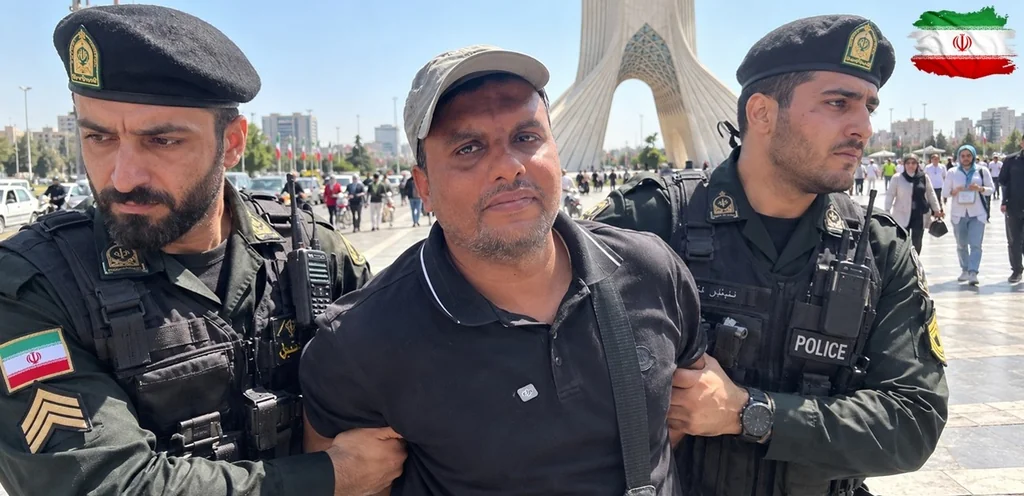
Iran Travel and Police Questioning
Adnan’s video titled Iran Police Arrested Me | They Called Me an Israeli Agent documents a personal experience involving police questioning in Iran.
This is a useful reminder that travelers should understand local laws, avoid restricted areas, and be careful about activities that may attract official attention.
His experience should not be treated as proof that every visitor will face the same situation. Travelers must research current local conditions and follow applicable laws.
Pakistan to Iran by Road
Adnan’s videos include his Pakistan-to-Iran road journey and the border crossing experience.
One episode, First Impressions of Iran | Scam In Iran | 50000 Ka Nuqsaan | Pakistan To Iran By Road | EP #2, refers to a reported financial loss in its title.
This illustrates why travelers should verify services, confirm prices, protect their money, and be cautious about suspicious offers.
A single reported incident does not mean every traveler will experience the same problem.
Pakistan to China Through Khunjerab Pass
Adnan’s video Pakistan to China by Bus | Crossing the World’s Highest Border | Khunjerab Pass documents a road journey between Pakistan and China.
Such journeys require careful preparation because travelers may encounter changing weather, long distances, border procedures, and transportation delays.
Before attempting a similar journey, confirm current entry requirements, border operations, and available transportation.
Important Lessons From These Journeys
These individual travel experiences highlight several practical safety lessons:
- Research destinations before departure.
- Understand local laws and official procedures.
- Protect your money and personal documents.
- Verify transportation and travel services.
- Prepare for unexpected situations.
- Check current border and security conditions.
- Do not assume an older travel route is safe today.
These are general lessons drawn from the themes of Adnan’s documented journeys, not claims that every event described above happened in the same way to every traveler.
Travel Safety Checklist Before Departure
Use this checklist before starting your next journey.
Documents and Money
- Confirm passport validity.
- Check visa requirements.
- Save copies of important documents.
- Arrange suitable payment methods.
- Keep emergency money separate.
Transportation and Accommodation
- Confirm tickets and reservations.
- Check transportation providers.
- Research accommodation security.
- Review arrival transportation.
- Check local road and weather conditions.
Health and Safety
- Pack essential medication.
- Arrange suitable travel insurance.
- Save emergency contacts.
- Research local laws and customs.
- Check current travel advisories.
Digital Preparation
- Update your phone.
- Enable account security.
- Download offline maps.
- Save reservation details.
- Back up important information.
Frequently Asked Questions
What are the most important travel safety tips?
Research your destination, protect your documents and money, choose reliable transportation, stay in suitable accommodation, follow local laws, and keep emergency contacts available.
How can I protect myself from theft while traveling?
Keep your belongings secure, avoid displaying expensive items, stay alert in crowded places, use suitable bags, and avoid leaving valuables unattended.
Is it safe to travel alone?
Solo travel can be safe when travelers prepare carefully. Research accommodation, use reputable transportation, share your itinerary with a trusted person, and avoid situations that make you uncomfortable.
How can I avoid travel scams?
Verify service providers, confirm prices before paying, avoid suspicious offers, use reputable booking platforms, and be cautious of people requesting urgent payments.
Should I carry my passport everywhere?
Follow local identification requirements. Keep your original passport secure when it is not required, and carry an appropriate copy if permitted and useful. Make sure you can access the original when official procedures require it.
What should I do if I lose my passport abroad?
Contact the appropriate local authorities when necessary and notify your country’s embassy or consulate. Follow their instructions for obtaining a replacement or emergency travel document.
Is travel insurance necessary?
Travel insurance is not a universal requirement, but it can provide useful financial protection for covered medical emergencies, cancellations, delays, and other unexpected events.
How can I stay safe in unfamiliar cities?
Research neighborhoods, use reliable transportation, keep emergency contacts available, protect your belongings, and avoid isolated areas when appropriate.
What should I do before crossing an international border?
Check current entry requirements, passport and visa validity, border operating conditions, customs rules, and authorized transportation arrangements.
How can families stay safe while traveling?
Plan transportation and accommodation carefully, keep children supervised, prepare emergency contacts, carry necessary medication, and agree on a meeting point in crowded locations.
Conclusion
Travel safety begins before you leave home. Researching your destination, protecting important documents, choosing reliable transportation, selecting suitable accommodation, and understanding local laws can help reduce common travel risks.
Every journey is different, so safety preparations should match the destination, travel style, and current conditions.
The experiences documented by travelers such as Adnan Musafir also demonstrate why it is important to prepare for unexpected situations, verify travel services, and understand local procedures.
Whether you are traveling alone, with family, by road, or internationally, responsible preparation can help you enjoy your journey with greater confidence and peace of mind.